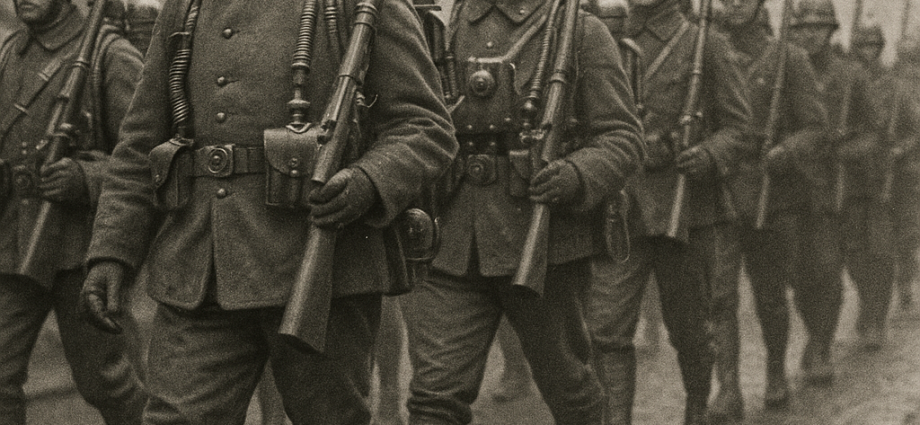
INVERNESS — The Herringbone Isles dispute has moved from tense posturing to an unmistakable militarisation of the region. Multiple inside sources say that Nordmark has quietly massed troops along its maritime approaches and that the Republic of Marelia is urgently seeking outside suppliers of ordnance while impressing young shipwrights and dockyard hands into service for what officials call an emergency “maritime expansion.” At home, the Royal Army and Royal Navy of Eyehasseen have shed any pretense of secrecy and begun visible preparations that suggest the Kingdom is bracing for a possible confrontation.
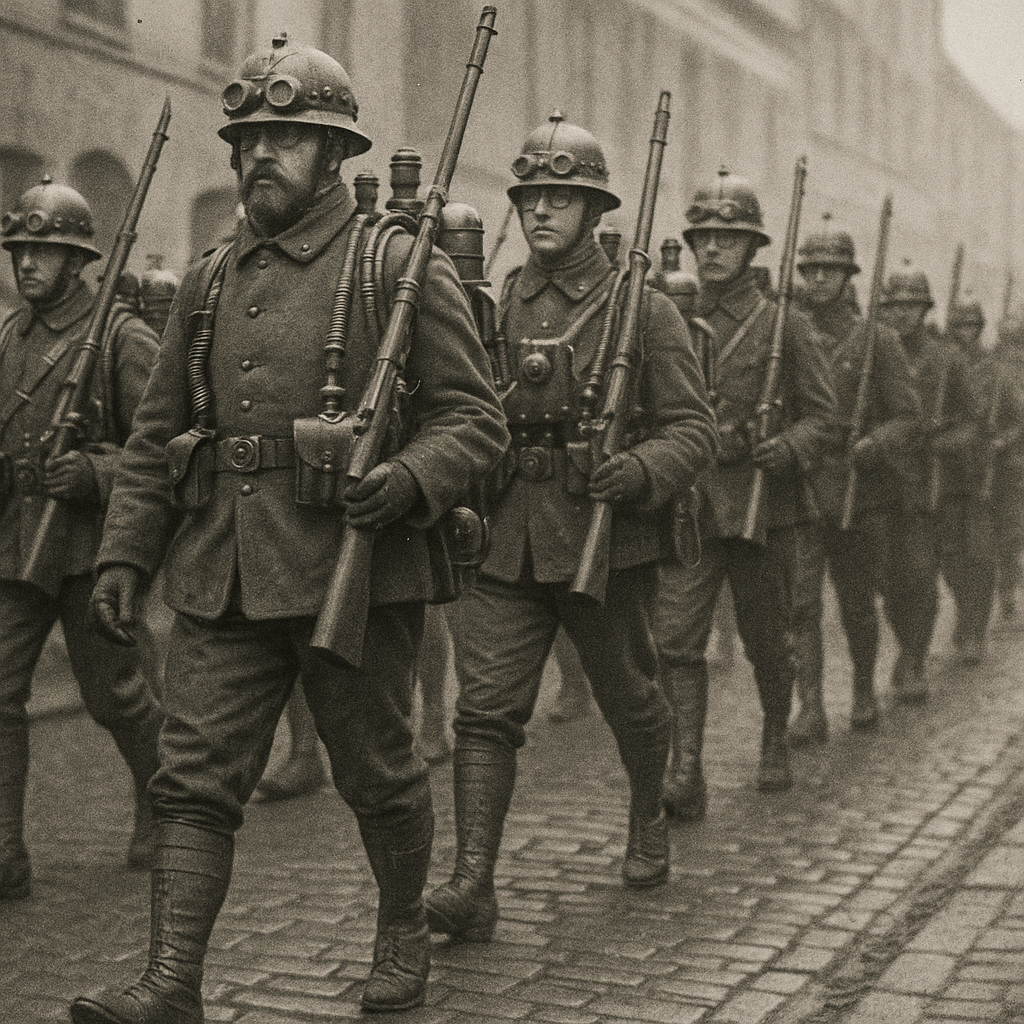 A palace supply officer who spoke on condition of anonymity described what he called “two parallel mobilisations.” “Nordmark has moved battalions to forward coastal posts,” the officer said. “They’re not hiding their tents anymore; they’re positioning them.” The same source added that Marelia’s recent purchases and diplomatic contacts include “a number of smaller states and private firms of questionable repute” offering coastal guns and early-model ordinance. “They’re buying what they can get, where they can get it,” the officer said. “The worry is not only matériel, but momentum.”
On the docks, shipwrights and yard labourers report being given orders that many describe as coercive. One young foreman at the South Yard, who identified himself only as Tomas to avoid reprisal, said men “signed on” in the morning and by evening were told to report for work on a new class of gunboat — with little discussion of pay or terms. “They told us it was for the Republic’s defence,” Tomas said. “But there were men with lists, and when a name is crossed you’re told where to go. It felt like impressment.”
Marelian officials dismissed the charge of forced enlistment as “rumour and innuendo,” while emphasizing the Republic’s right to defend its interests. A Marelian embassy spokesperson said in a terse written reply: “Marelia will take all lawful measures necessary to protect its citizens and historic investments. We are in contact with partners about materiel and shipbuilding assistance; no one should read aggression into our preparations.” The spokesperson declined to name the partners.
Nordmark’s government likewise called the troop movements “routine readiness exercises” but, in private, a defence attaché told interlocutors that the deployments were “measured but necessary.” “We are not seeking war,” the attaché said. “We are ensuring that our territorial waters are not infringed upon. Those who threaten navigation will find us present.” Publicly, Nordmark’s foreign ministry issued a statement urging restraint from all parties.
Back in Eyehasseen, the shift is plainly visible. The navy has increased night-time patrols, reactivated reserve cutters, and accelerated refits on older gunboats; the army has announced coastal drills and called a higher number of reservists to report for “extended coastal security exercises.” Sources inside the Royal Dockyards say the ship sheds are filled with men bending rivets and raising bulkheads anew; spare parts once thought obsolete are being returned to service. An anonymous dock superintendent described the atmosphere as “business gone warlike.”
Prime Minister Rt. Hon. Theophilus Quentus Bramblewine, O.G.E., continued to speak in cautious tones about diplomacy and the need for talks. “Our preference remains peace,” he told reporters at a televised briefing. “We will exhaust every possible avenue of negotiation. But peace that leaves our fishermen and our keepers unprotected is not peace at all.” Observers note a hard edge to his rhetoric — a message meant as reassurance to domestic audiences yet read by others as the hint of an ultimatum.
Harder still have been the street-level voices. In market squares and piers, rumours and threats ricochet between cups of tea. One Marelian caller, broadcast briefly on a popular station before the network apologized, declared that any surrender of the Isles would be “met with fire.” In Inverness, a dock foreman muttered, “They speak of wiping us clean? Let them try — they will learn the price.” Such language, whether bluster or menace, hardens publics and narrows the window for diplomatic de-escalation.
Security analysts warn that the very steps taken to deter conflict can instead make it likelier. “Troop concentrations, impressment, and rapid acquisition of foreign arms all raise the chance of incidents,” said an analyst at the Naval Institute who asked not to be named. “A misread signal, a fog-bound patrol cutter, or a panicked boarding by a local militia — these are the kindling of unintended war.”
Despite the din, back-channel diplomacy continues quietly in neutral ports and with third-party mediators. Envoys have been reported meeting under flags of truce to discuss joint stewardship models and practical arrangements for the lighthouse keeper’s supplies. Whether such negotiations can outpace the political momentum of mobilisation remains uncertain.
For now, the Herringbone Isle dispute has become a test of restraint. The visible preparations across three capitals — troops at the border, hurried dockyard enlistments, burgeoning ordnance purchases — leave little doubt that governments are taking military options seriously. Whether that seriousness protects or imperils the region will hinge on a few narrow decisions in the days ahead: commands given on foggy nights, the words chosen by ministers, and the capacity of diplomats to convert rhetoric into binding, practical guarantees before a stray signal becomes the spark of a very real war.