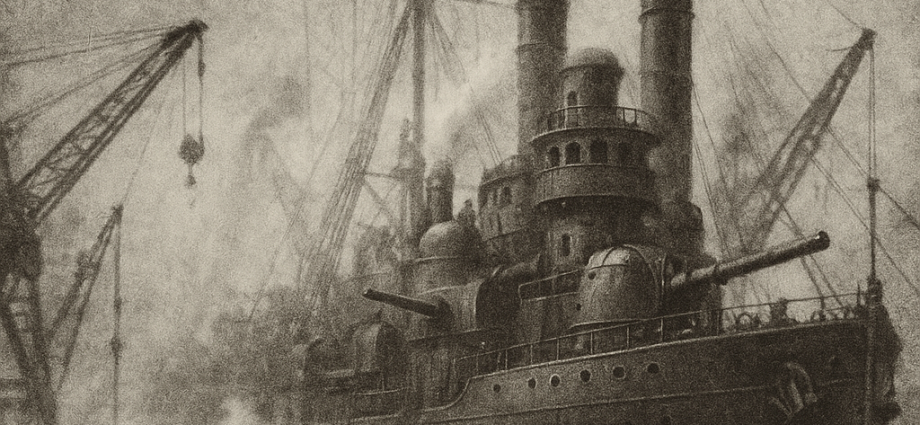
INVERNESS — While ministers speak in measured rhetoric, the machinery of war is quietly grinding into place. The Royal Ministry of War and Conflict officially declined to comment on reports of military preparations linked to the Herringbone Isles dispute, but multiple inside sources say the Royal Army of Eyehasseen and the Royal Navy of Eyehasseen have begun discreet but unmistakable mobilization activity.
“We are seeing increased requisitions, yards running overtime, and the steady arrival of new plating and boilers at naval sheds that have been quiet for years,” said one source who works within the palace supply office and agreed to speak only on condition of anonymity. “It’s not talk. It’s hardware.”
According to that source and two others familiar with the matter, the buildup has several strands:
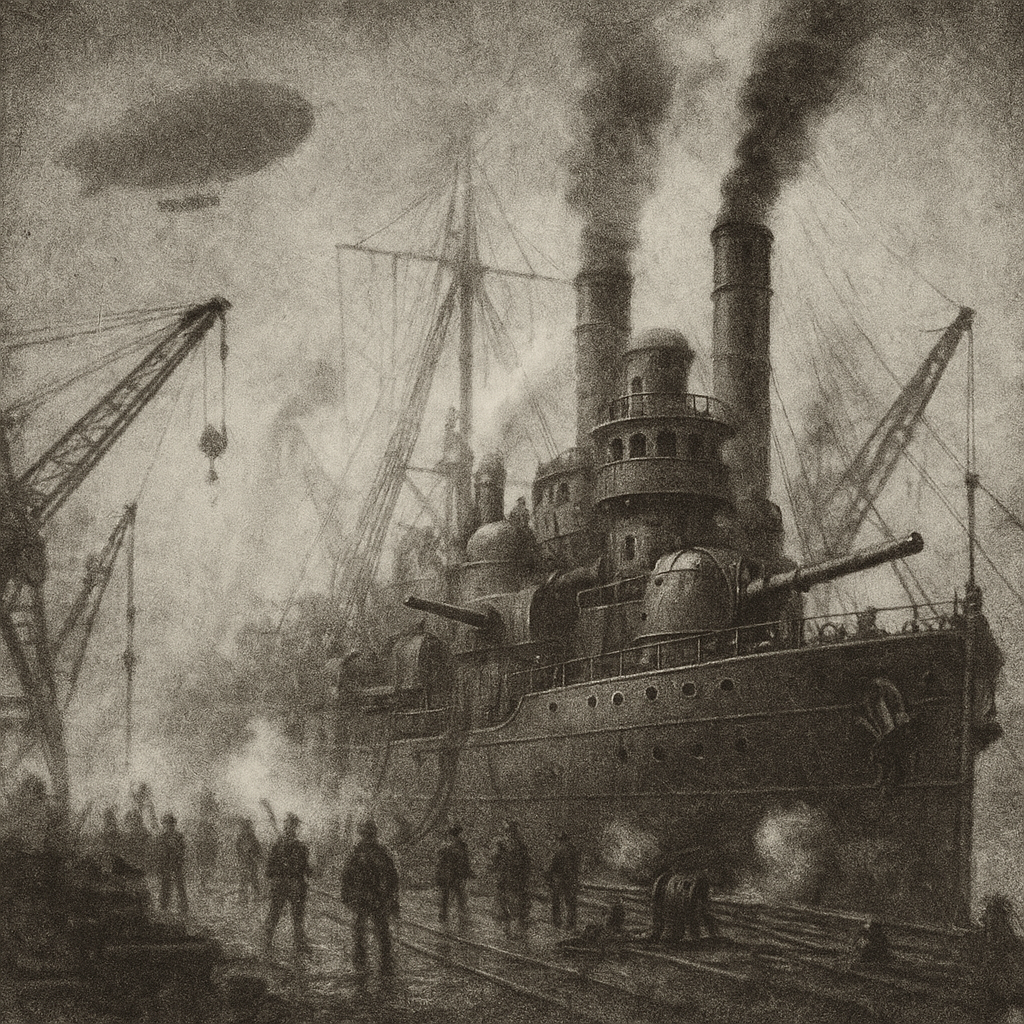 • Naval readiness. Patrol and inspection cutters have been fitted with reinforced hull plating and new steam-driven winches; crews have been doubled on some vessels and extra provisions stockpiled at coastal depots. Shipwrights at the Royal Dockyards have been working night shifts to complete hulls and refit older gunboats with modernized boilers and improved signalling gear.
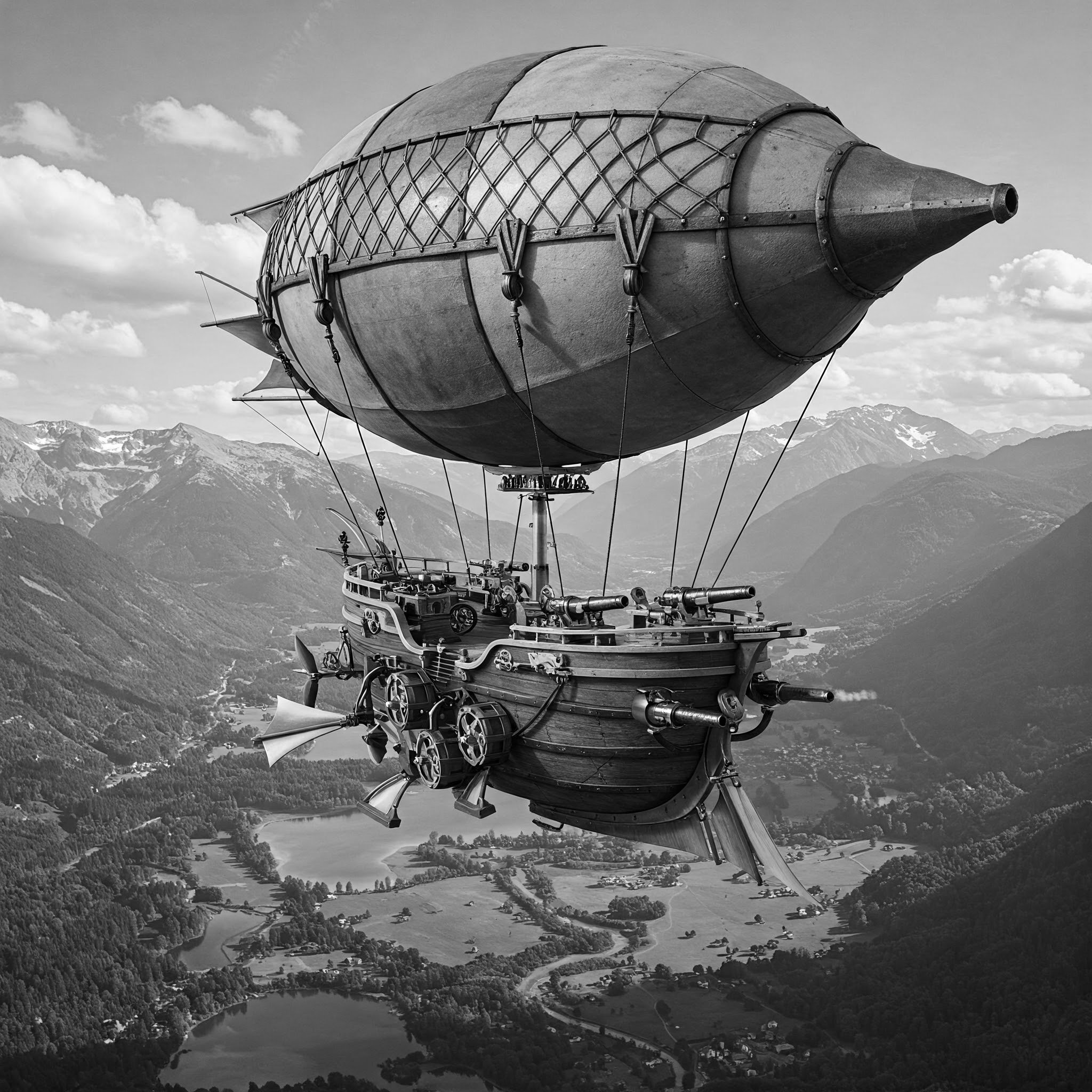
• Airship development. A senior aide to the Minister for Logistics (who also wished to remain unnamed) described a “rush program” to outfit experimental airships with heavier lift capacities and extended-range steam condensers. “They’re not parade balloons,” the aide said. “These are intended for long patrols, surveillance, and — if required — the movement of small detachments.” Engineers in the palace’s technical corps are said to be collaborating with private dirigible yards and a number of industrial houses on modifications that increase endurance at sea-going altitudes.
• Army posture. The Royal Army has reportedly increased training cycles for coastal infantry and signalled for additional reserves to report for “extended coastal duty.” Logistics officers have been asked to identify stores of coal, rope, and canvas for rapid issue. One lieutenant-colonel, speaking off the record, called it “preparatory and prudent” — language that nevertheless underscores the seriousness of the measures.
At a formal press appearance on the quay, Prime Minister Rt. Hon. Theophilus Quentus Bramblewine, O.G.E., reiterated calls for diplomatic restraint while offering a posture that critics called deliberately ambiguous.
“We have no appetite for war,” Mr. Bramblewine told assembled reporters. “We prefer the calm of the negotiating table to the clang of cannon. But we will not allow our fishermen, our keepers of the light, or our merchants to be threatened. We will defend our sovereign rights with a firmness befitting a free and lawful nation.”
That “firmness” has been read by some as a veiled threat. One palace source — a career diplomatic staffer — said the Prime Minister’s language is calculated: “He wants a posture that reassures the public without closing off military options. The speeches are aimed at two audiences: foreign capitals and domestic audiences who demand strength.”
 Officials in the Ministry of War and Conflict declined repeated requests for detail. A statement issued by the Ministry’s press office read only: “The Royal Ministry continues to monitor maritime conditions and to coordinate with allied services. No further comment at this time.” The lack of denial has prompted worry among neighbouring governments and citizens alike.
In Marelia and Nordmark the news has not been received in quiet. Marelian broadcasters celebrated the announcements of added patrols; in Nordmark, naval planning bulletins were described as “exercises” but were met with terse warnings about “unnecessary provocations.” On the docks of all three countries, captains and merchants consult charts with care.
Back in Inverness, opinion is split. “If they can deter trouble without firing a shot, then better a strong hanger than an empty pier,” said Alderman H. J. Thrale. “But we must insist that every bolt and tally be accountable to Parliament, not buried in some secret ledger.”
Others fear the opposite. “We’ve lit the fuse,” said a fishmonger who asked not to be named. “Talk of airships and boilers and then the men in uniform on the piers — it frightens families. My brother sails those waters. The last thing we need is a scrap over a rock.”
Security analysts caution that preparatory steps can themselves become causes of escalation: vessels on covert patrol may be misidentified in fog; increased signals and radio traffic can lead to misunderstanding; and aggressive posturing can inflame nationalist sentiment that is difficult to recall. “Most conflicts begin not with grand plans but with accidents and rhetoric,” said an observer at the Naval Institute. “When you add new platforms — airships, refitted gunboats — the tempo of events accelerates.”
For now, the picture is one of deliberate ambiguity. The Prime Minister speaks of peace while the docks and yards whisper of readiness. Whether that posture prevents confrontation or merely prepares the instruments of it may depend on a dozen small decisions made in harbours, workshops, and palace rooms over the coming days.
If cooling measures — back-channel talks, joint inspection proposals, or an agreed neutral administrator to oversee supplies to the Herringbone keeper — take hold, the immediate tension might subside. If not, the steams and whistles of a nation preparing for possible conflict may prove harder to quiet than any diplomat’s counsel.