By Percival Bramble, Travel Correspondent
The River Wye is not the fastest, nor the widest, nor the most celebrated of the Kingdom’s waterways. Yet it possesses a character unmatched by any other, winding through green valleys and shadowed glens like a ribbon that ties together centuries of quiet stories. To walk its banks is to move through layers of history, each bend and mist concealing tales that have been whispered, sung, or etched into stone.
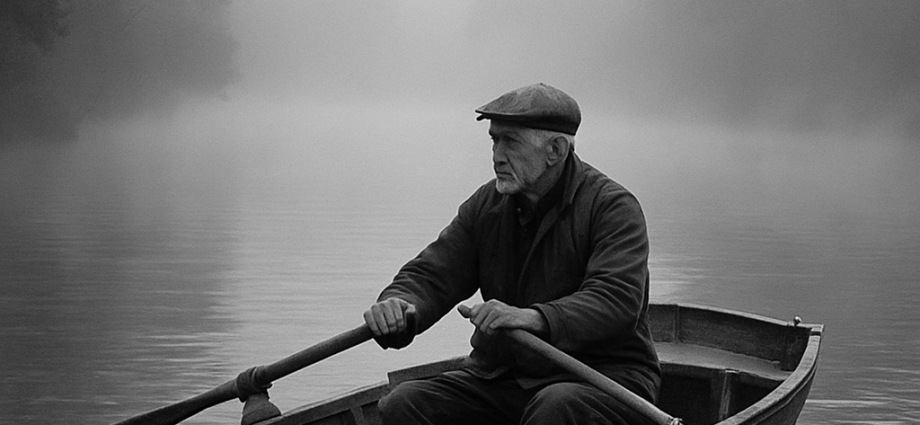
My journey began in the village of Lower Haddlesby, where the Wye emerges from the Frostwood. In the early morning, fog clung so tightly to the water that it seemed the river itself had dissolved into cloud. The ferryman, a stooped man named Gareth Holt, insisted on rowing me across despite the fact that a bridge spanned the river not fifty yards downstream. “Bridges are fine for those in a hurry,” he said with a grin, “but the boat gives you time to listen.”
Listen I did. The water lapped gently against the oaken hull, and somewhere upriver a heron gave a mournful cry. Gareth told me of his grandfather, who ferried soldiers across during the Storm Wars. “They said the fog here could hide whole armies. Some never came back. But the Wye always kept moving, same as today.”
Further along, the path hugged the bank where fishermen crouched with lines dangling into the opaque water. Their baskets, covered in damp cloth, twitched from time to time as a trout or pike revealed its presence. One man, sleeves rolled and pipe clenched in his teeth, offered me a flask of cider and explained that fishing on the Wye was less about the catch and more about the patience. “It teaches you to wait,” he said. “The river gives what it wants, when it wants.”
The fog thinned as I reached Sternthistle-on-Wye, a hamlet where the houses seem to lean toward the river as if eager to drink from it. The local inn, The Silver Pike, served a stew so thick and savory that it felt like a meal intended to anchor one to the earth. Above the hearth hung an old oar, warped with age, said to have been pulled from the hands of a poet who drowned in pursuit of inspiration. “He was always chasing words along the river,” the innkeeper told me. “One day the Wye decided to keep him.”
At dusk I followed the path into North Bibble, where the river broadens and slows, the surface reflecting the sky like an unrolled mirror. Children ran along the bank, their laughter ringing like bells in the evening air. One girl held up a smooth stone and insisted it was carved with runes, proof that druids once held ceremonies there. Whether true or not, I could not deny the stone’s curious markings. It felt fitting that the Wye would keep its secrets in plain sight, waiting for someone imaginative enough to see them.
On the final day, I stood at a cliff overlooking a sharp bend. From this height the river looked like a silver serpent weaving its way toward the horizon. Mist rose again, curling upward like incense, blurring the line between water and sky. It struck me then that the river was not merely a place but a presence, a companion to generations who had depended on it, feared it, loved it.
The Wye is not grand in the way of mountains or oceans. Its grandeur lies in its patience, in its willingness to flow unseen, to carry the weight of memory without fanfare. Walking away, I felt as though I had conversed with something older than the Kingdom itself, something that needed neither recognition nor praise. It will outlast us all, winding ever onward through the mist.