By Reginald Thistlewhite, Historical Correspondent
The Desert Treaty was meant to usher in a new age of peace. Signed in the spring of 874 between the Kingdom of Eyehasseen and the Desert People, it promised free passage for caravans, safe wells along contested borders, and a mutual reduction of arms. Instead, it collapsed within a season, leaving behind not only bitter conflict but also one of the most infamous betrayals in the Kingdom’s long history.
The signing took place at Dawnspire, a fortress built at the edge of the Wastes. Chroniclers describe the scene vividly: banners fluttering, a long table draped in cloth of gold, and two delegations facing one another across an uneasy silence. From the Kingdom came Duke Oswin of Harrowleigh, a seasoned diplomat with a reputation for charm. From the Desert People came Prince Harad ibn Shammar, whose lineage stretched back to the earliest tribes. Witnesses claimed the negotiations were tense but civil. Bread and salt were shared, oaths sworn in the name of God and king. For the first time in generations, there was hope that swords could be sheathed.
But that hope was fleeting. Within weeks of the treaty’s proclamation, caravans bearing grain and silk were raided on the southern border. Desert riders swept down upon the traders, seizing goods and scattering guards. The Kingdom’s officials cried foul, accusing Prince Harad of betrayal. The Desert People, in turn, claimed the raids were the work of bandits beyond their control, and they accused Duke Oswin of failing to withdraw troops from agreed checkpoints. The fragile trust dissolved almost overnight.
The most damning blow came in midsummer, when a party of Kingdom envoys traveling under truce was ambushed and slain near the Oasis of Tall Pomegranates. Among the dead was Sir Cedric Vale, a knight beloved for his fairness, who had personally escorted Desert emissaries only months before. His death was seen not merely as murder, but as desecration of the treaty itself.
War returned with ferocity. The King declared the treaty null and void, and armies once more marched across the scorched plains. Villages near the frontier burned, wells were poisoned, and the name “Dawnspire” became synonymous not with peace but with folly.
Historians continue to debate who betrayed whom. Some argue the Desert People never intended to honor the treaty, seeing it as a means to buy time. Others contend it was the Kingdom that broke faith first, refusing to relax its guard on border forts. Still others whisper of third hands — mercenaries, rival nobles, even foreign powers — who stoked conflict for profit.
Professor Albin Mereworth, an authority on treaties of the Ninth Century, offers a sobering perspective. “What we call betrayal may simply have been misunderstanding. The Desert People swore oaths by their fires and sands; the Kingdom swore by God and throne. Each thought the other bound, but the languages of loyalty were not the same. The treaty was doomed before the ink dried.”
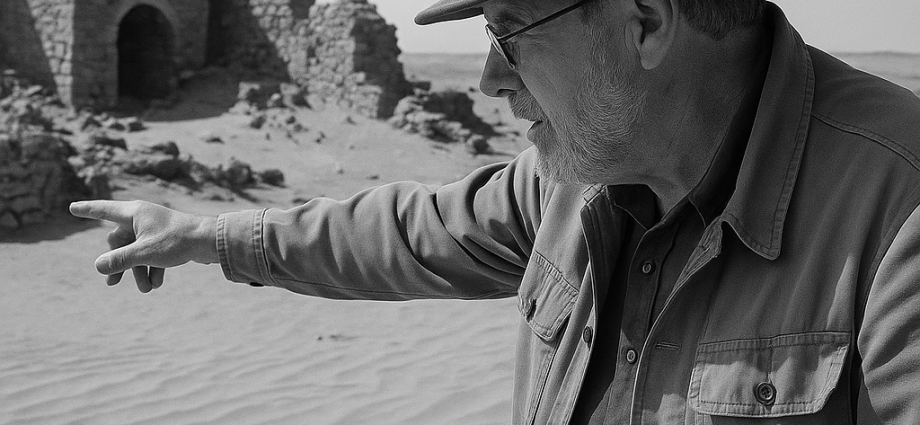
Today, little remains of Dawnspire but ruins. Sand drifts through its shattered halls, and its once-bright banners have long since turned to dust. Yet the story of the Desert Treaty lingers, a cautionary tale told to diplomats and children alike: promises must be kept not only in words but in deeds, and even then, trust is as fragile as parchment.
The betrayal, whether real or perceived, shaped generations of mistrust between the Kingdom and the Desert People. Every subsequent negotiation carried the shadow of 874, a reminder that peace, once broken, is harder to mend than stone.