By Constance Fellmere, Health & Fitness Correspondent
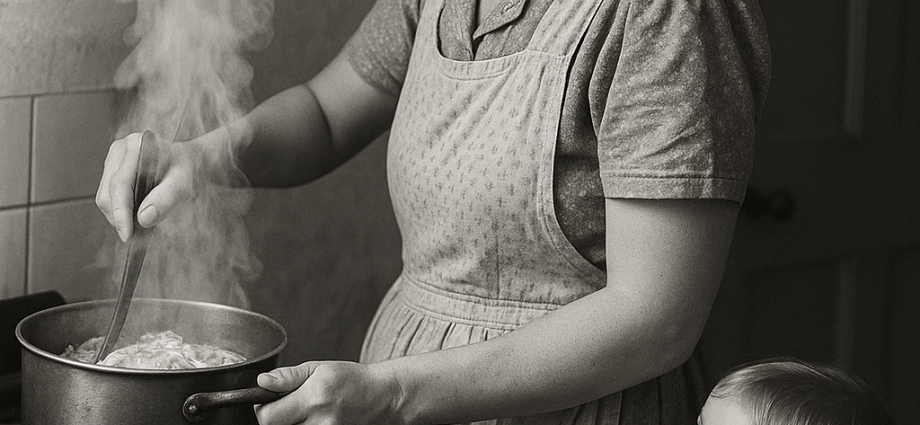
The newest craze sweeping the villages and towns of Eyehasseen is not a form of exercise, nor a novel gadget, but rather an old and humble vegetable. Cabbage—long dismissed as little more than winter fodder—has found itself at the heart of a health movement claiming to deliver swift weight loss, improved digestion, and an enviable glow of vitality.
Known simply as “the Cabbage Diet,” the regimen prescribes daily meals of stewed or boiled cabbage, occasionally accompanied by onions, leeks, or carrots. The more ardent followers take it further, eschewing bread, meats, and cheeses entirely for great steaming bowls of the brassica, morning and night.
Advocates insist that the results are nothing short of miraculous. “I have lost a stone in three weeks,” said Nora Fittle of Greengilt, proudly patting her belt, which has indeed migrated several notches inward. “And my skin feels clear. Some say it’s the water in the cabbage, others say it is the cleansing of the humors. Either way, I feel lighter.”
Healers have joined in the chorus, albeit cautiously. The Guild of Physic issued a scroll last week praising cabbage as a “digestive stimulant of notable efficiency” and recognizing its high content of vitamins and minerals. “The body thrives on leafy greens,” explained Guild member Doctor Parvus Holt, “and cabbage, though unassuming, is among the most sustaining. For those accustomed to meat-heavy diets, it offers a welcome correction.”
Origin Obscure
The diet’s origins are obscure. Some claim it arose during the lean years of the Storm Wars, when cabbage soup was the only meal many households could manage. Others say a traveling monk promoted it as a form of penance and purification. Whatever the case, its sudden popularity in 1024 has caught merchants and market gardeners equally off guard. At Inverness Market this week, cabbage fetched twice its usual price, and one exasperated farmer reported that “people are queueing at dawn, jostling for heads like they were jewels.”
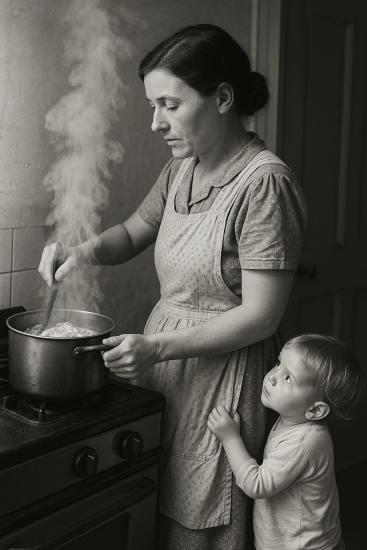
Not all testimonies are glowing. In Lower Haddlesby, innkeeper Bram Willet expressed alarm at the side effects. “I welcome custom, but I can’t keep guests if they’re all on the Cabbage Diet. The common room smells like a battlefield at dawn. People think it’s the chimney, but it’s not.” Several other villagers echoed his concerns, describing a “miasma” settling over lanes and courtyards where diet adherents congregate.
“It is not dangerous,” reassured Dr. Holt, “but one must acknowledge the natural consequence of fermenting cabbage within the body. The production of vapors is, to put it delicately, vigorous.”
The social implications have been striking. The once-popular evening dances in Clover Lane have seen declining attendance, as couples discreetly avoid close embrace. In the village of Sternthistle, the parish choir is reportedly rehearsing outdoors after several cramped practices left members gasping for fresh air. One farmer, who declined to give his name, swore that his mule refused to enter the barn after three of his sons took up the diet simultaneously.
Nevertheless, the cabbage faithful remain undeterred. “It is a small price for health,” insisted Nora Fittle, wrinkling her nose as she spoke, “and it brings the community together. If we all partake, then none of us can complain.”
Merchants, as always, are adapting. Enterprising cooks have begun selling seasoned cabbage pies and spiced cabbage rolls, claiming these mitigate the more pungent effects. A brewer in East Paddock is even experimenting with a cabbage-based tonic, which he swears will deliver all the benefits without “the background chorus.”
Whether the Cabbage Diet proves to be a passing fad or a lasting tradition remains to be seen. What is certain is that for now, the Kingdom has embraced cabbage with gusto—and the villages smell it.