By Maren Blythe, Feature Correspondent, The Times-Observer
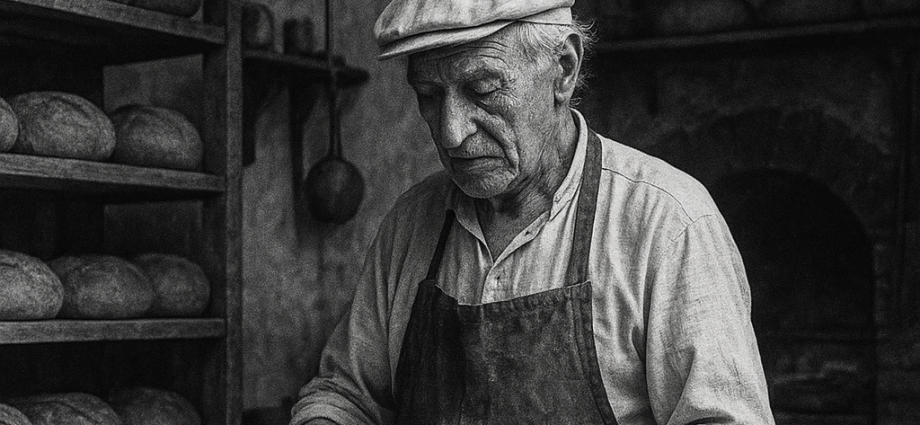
Long before the cocks crow in the village of Highmere Cross, before a single shutter swings open or a single chimney breathes its first sigh of morning smoke, the bakery of Old Thom Varrow is already awake. It is a small stone building tucked between the cooper’s shop and the old well, its windows glowing faintly like lanterns caught in the act of remembering warmer days. Thom himself stands in the doorway each morning with a posture that suggests both weariness and contentment, like a man who has made peace with being needed.
 Thom has been baking for fifty-three years. He began as a boy kneading dough beside his mother, and now—at seventy-two—he works alone, except for the occasional help of apprentices who never last more than a season. “Too hot, too early, too much lifting,” Thom always says with a shrug. “Not enough patience anywhere these days.” But Thom has patience. His hands insist upon it.
Before Dawn: The Loaves Begin
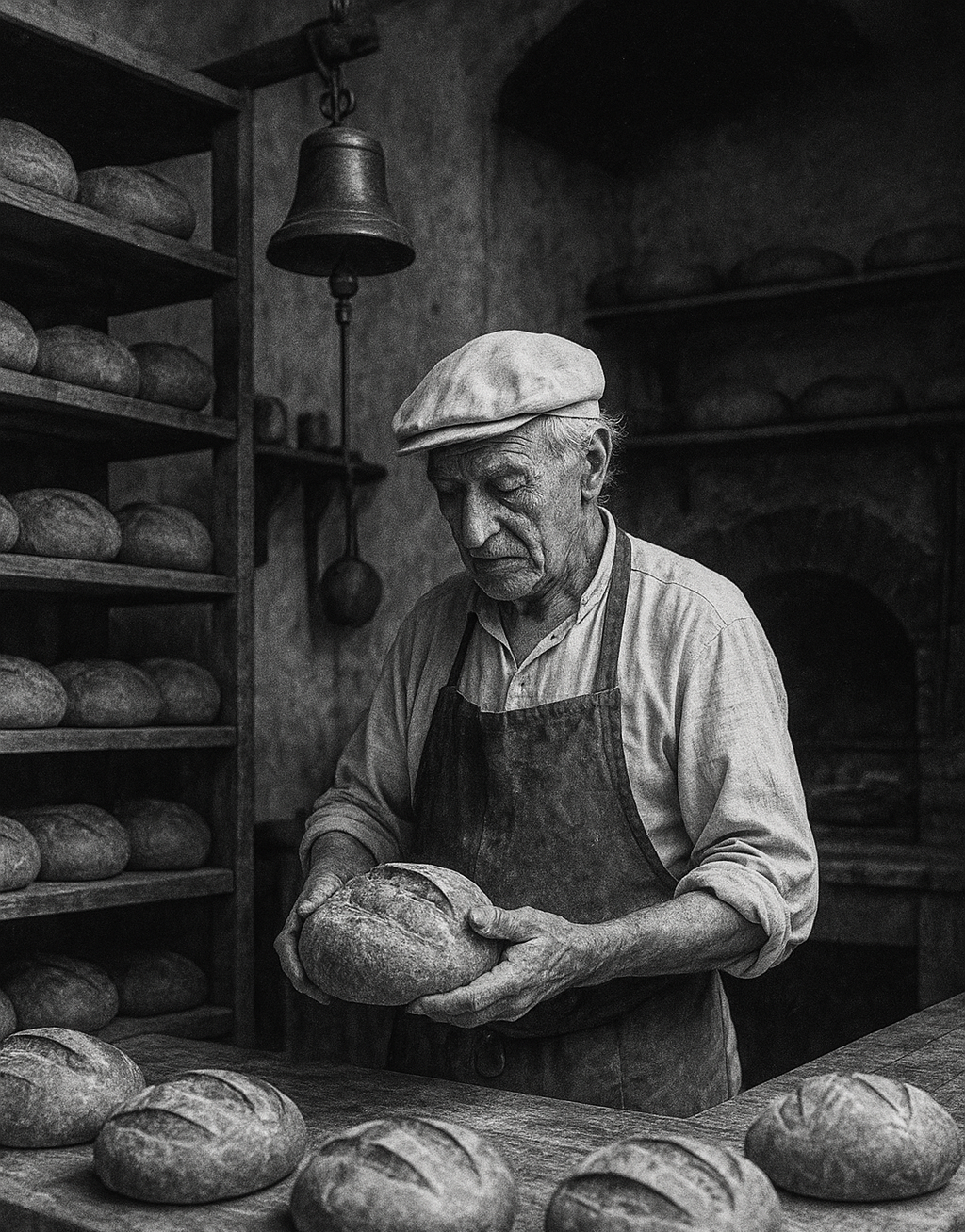
At four in the morning, the oven roars to life. It is an ancient stone-arched thing, blackened with memory. Thom still feeds it with seasoned oak, believing woodsmoke imparts something “honest” to the crust. He begins with the Morning Rounds, soft loaves brushed with milk and dusted with coarse flour. Rows of them rise slowly on the oaken table, like a congregation waiting for instruction.
Inside the shop hangs a single brass bell, polished so often its edges gleam silver. It is older than Thom—older than the bakery itself—and serves as the soul of the establishment. When the first batch comes out of the oven, Thom rings the bell once. Only once. The villagers have grown so accustomed to the sound that they rise by it more faithfully than by any rooster.
“I don’t need a clock,” Thom says, sliding another tray into the fire. “I got bread to tell time, and a bell to tell the rest.”
The Village Wakes
By five-thirty, the street outside begins to stir. First comes Mistress Elna, who sells ribbons from a stall near the square. She buys two loaves every morning—one for herself, one for whichever of her grandchildren has behaved well enough to earn it. Then arrives Tavin the mail-clerk, hurrying as always, brushing flour from his coat so he doesn’t “look like another baker trying to join the guild.”
The line grows long before sunrise. People talk softly, not for reverence but because the building seems to whisper warmth outward. The bakery is the heartbeat of Highmere Cross, and Thom—reluctantly, humbly—its keeper.
Children gather near the window to watch Thom score the dough with his small iron blade. They swear he cuts the same pattern every day, but Thom denies it. “Bread’s a living thing,” he says. “You don’t carve the same lines in a living thing twice.”
Morning Bells and Midday Rush
At seven, when schoolchildren begin their march to lessons, Thom rings the bell again—twice this time. This signals the Seed Rounds, heartier loaves meant for midday meals. Villagers say the flavor has changed over the decades, but no one agrees on how. Some say the bread tastes more patient than it once did. Others insist the taste is sadness. Thom insists it’s just flour.
Around noon, the bakery grows louder. Farmers stop in for lunch. Labourers from the carpentry yard come in smelling of pine and sawdust. Soldiers on patrol pause for bundles stuffed with cheese and herbs. On Fifthday, even the magistrate’s clerks line up, pretending not to enjoy the rustic simplicity of Thom’s craft.
The bell rings a third time—three low tones—signaling the final rounds of the day. The sound is unmistakable. Deep. Old. Full.
The Quiet Hours
By late afternoon, when the streets settle and birdsong fills the gaps, Thom wipes down the counters and begins mixing tomorrow’s dough. His arms move slowly now, but deliberately. A rhythm learned long ago, a quiet dance known only to him.
Visitors sometimes ask why he rings the bell so faithfully. Thom never gives the same answer twice, but the one he offered today was simple: “Bread is how a village remembers itself. Bells tell us when to start remembering.”
His wife, lost many years ago, used to claim the bell had a soul. Some villagers believe Thom talks to it when he thinks no one is listening. Others say he rings it for her.
Whatever the truth, each evening as the sun dips below the rooftops, Thom steps outside and rings the bell one last time—four soft notes. A benediction. A promise that tomorrow, the village will rise again to the smell of warm bread and the sound of old iron calling them home.