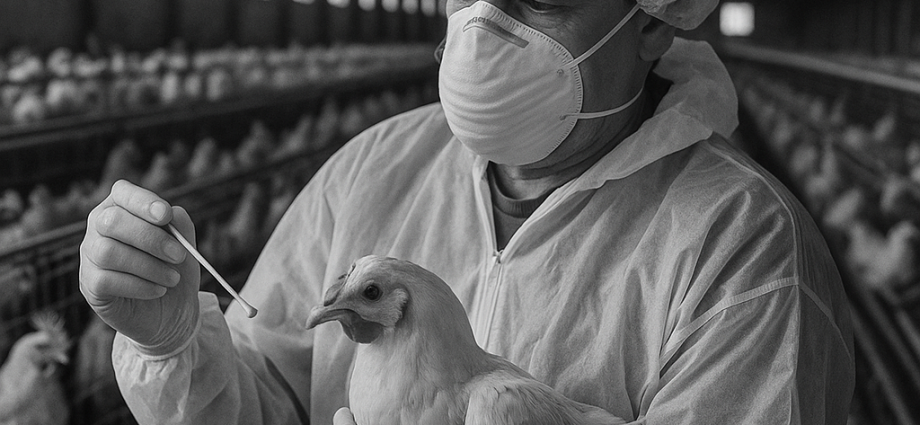
Times-Observer – Health & Rural Affairs Section
The quiet farm lanes of Northmarch, usually scented with pine wind and the smoke of orderly hearths, awoke this week to an unwelcome and unsettling alarm. A rare strain of avian fever—known among the Kingdom’s rural healers as “the wing-fever”—has been confirmed at a smallholding near the village of Felburgh. Though only one human case has emerged, the Ministry of Health has taken the matter with grave seriousness, urging vigilance across the northern provinces.
The afflicted, Mr. Haldor Henshaw, is a septuagenarian smallholder regarded locally as a diligent, if stubborn, keeper of poultry. For decades he has tended a modest flock of heritage hens, geese, and a clutch of ducks that roam freely through the orchard behind his cottage. Early this Sixthday past, neighbors found him collapsed upon his porch, feverish and disoriented. By eventide he had been moved under escort to the Royal Infirmary in Inverness, where physicians identified symptoms consistent with the avian fever strains occasionally carried by migratory birds.
By Firstday morning, the King’s own College of Physicians confirmed what many had feared: the wing-fever had been transmitted to Henshaw through close handling of infected birds. The illness is known to pass from animal to human with unfortunate ease, though, reassuringly, human-to-human spread remains rare.
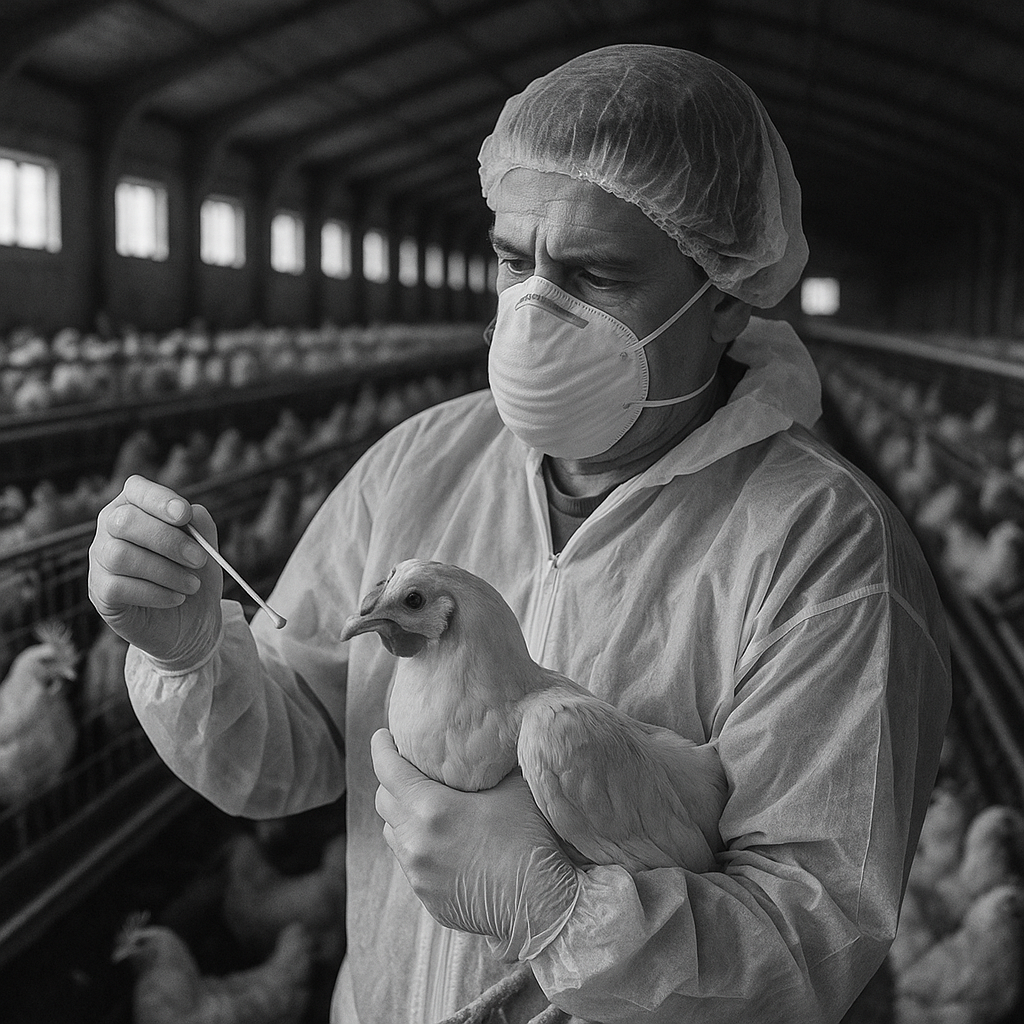 What troubles many agricultural stewards is how the infection reached the Henshaw flock in the first place. The Ministry’s inspectors traced the likely source to wild waterfowl migrating southward along the Coldstream Lakes. Recent storms had driven flocks low over the valley; several were seen settling near farm ponds in the week prior to Henshaw’s illness. Such visitation is common each autumn, but elders of the district recall that previous generations prepared carefully for exactly such circumstances—indeed, they built their annual routines around them.
“The season of wings,” they once called it. Coops were scrubbed, feed bins sealed, fowl confined behind tight shutters from dusk until dawn. A period of heightened watchfulness—not fear, but prudent stewardship—was customary. Yet like many old safeguards, these practices have quieted in recent years, displaced by convenience, haste, and the creeping assumption that modernity protects without effort.
In the case of the Henshaw property, inspectors noted several gaps: loose planks in the western coop wall, widened air-vents that allowed wild birds access, and a feeding trough placed too close to the pond where migrating geese had settled. None of these failings, by themselves, would demand reproach in ordinary times. But nature is unforgiving when her signals are ignored.
The Ministry has since ordered the temporary culling of the affected flock, a measure carried out with solemnity and care. Neighbors turned out quietly to assist, not merely as a gesture of sympathy but from an understanding that rural life is inherently communal. When disease touches one cottage, all surrounding households must respond as a single stewarding body.
The response from the local parish has been notable: volunteers have delivered meals to Henshaw’s niece, who is tending his affairs; farmers have offered tools to repair the broken coop; and the region’s famed stone-mason, Willen Bray, pledged to rebuild the coop’s foundation “the older way”—tighter, thicker, and set upon raised footings to discourage wild intrusions.
At the wider provincial level, the Ministry of Health issued new guidance urging smallholders to adopt strict sanitation, temporary confinement of poultry, and prompt reporting of unusual bird deaths. The tone was measured, yet firm. The Kingdom has survived many agricultural trials, but only through cooperation and respect for the lessons our forebears learned—often at great cost.
Among the Kingdom’s old farmers, a saying persists: “A bird in want is a warning; a bird in distress is an alarm.” The wing-fever’s appearance is not a cause for panic, but for discipline. It reminds us that the rhythms of land and creature remain unchanged despite the march of new contrivances and hurried ways. The duty of stewardship—over flocks, over land, and over neighborly welfare—cannot be delegated, outsourced, or forgotten.
As of this writing, Mr. Henshaw remains under careful observation at the Royal Infirmary. Physicians report that his fever has eased slightly, and his breathing is steady. The Kingdom prays for his recovery—and for the continued containment of the wing-fever that visited his lonely farm on a cold Northmarch night.