INVERNESS — What began as a dispute over a scatter of rocky outcrops and a single whale-oil lantern now rattles unpleasantly toward something larger. The Herringbone Isles — little more than jagged ridges topped by seabird nests and a solitary lighthouse — have become the focus of fevered rhetoric, fleet movements, and citizen alarm across three nations.
 Eyehasseen, Nordmark, and the Republic of Marelia each advance a different historic claim. Eyehasseen points to centuries of fishermen’s logs and local practice; Nordmark produces charts and sagas of longship waystations; Marelia insists the lighthouse was built with Marelian funds and staffed by Marelian keepers. For weeks, diplomatic notes and polite demarches gave way to louder statements and then to military posturing. Yesterday, Marelia announced “increased patrols” in the waters surrounding the Isles; Nordmark responded with a scheduling notice for naval exercises in the same sea; Eyehasseen moved a small inspection cutter out from the mainland harbors under orders to “monitor fishing lanes.”
“That cutter is not a menace,” said Minister for Foreign Affairs Rowan Liddell when asked on the quay if Eyehasseen feared escalation. “It is there to protect our fishermen and ensure safe passage for all. But let us be plain: we will defend what is ours. And if diplomacy can restore calm, we will always choose that path. Let us all calm down now and talk.”
Such appeals for cooling, however sincere, compete with tenor of a very different sort. In Marelia, a hardline broadcaster hosted a live call-in in which an unknown caller thundered, “You give us the light, you keep the lamp — or I’ll wipe you off the face of the Earth.” The line was taken down, and the broadcaster later apologised; Marelia’s Minister of Defence called the remark “savage and irresponsible” and insisted it did not reflect government policy. But the words, once spoken and amplified, have seeded fear.
On the streets of fishing towns on all shores, merchants and net-menders fret that something small could become very large. “We dry our nets on that rock when the weather allows,” said Elias Rudge, the keeper who tends the Herringbone lantern most nights. “A pact over supplies would have been kinder than all this shouting. I need lamp oil, not a cause célèbre.”
Local councils report an immediate economic sting: charter rates have risen, insurance inquiries flood harbour offices, and supply runs to the keeper have been delayed while captains nervously check manifest and clearance. The market for salted fish — a staple of coastal diets — has already seen a price wobble. “You don’t think we’re helpless,” said a Marelian dock foreman, leaving only his name unreported. “But a war takes fish from mouths, not just flags from posts.”
Political leaders in all three capitals have tried to contain the rhetoric. “There will be no bloodletting over bird-rocks,” said Nordmark’s Foreign Secretary in a terse televised briefing. “We are committed to negotiations grounded in law and history.” Eyehasseen’s Council President urged patience: “Our sailors are instructed to avoid provocation. The lightkeeper is our neighbour. We ask our counterparts to step back from brinkmanship.”
Still, military signals persist. Marelia’s increased patrols include a supply corvette and two fast boats; Nordmark’s “exercises” involve a destroyer and simulated navigation drills. Such movements, the region’s security analysts warn, create tinder: the near-collision of a small patrol craft and a fishing boat in fog, a misread radio transmission, a booby-trap of fanatical rhetoric. “Escalation rarely starts grand,” noted an academic at the Naval Institute who asked not to be named. “It starts with noise, then with a small incident that no one wanted but everyone after will remember.”
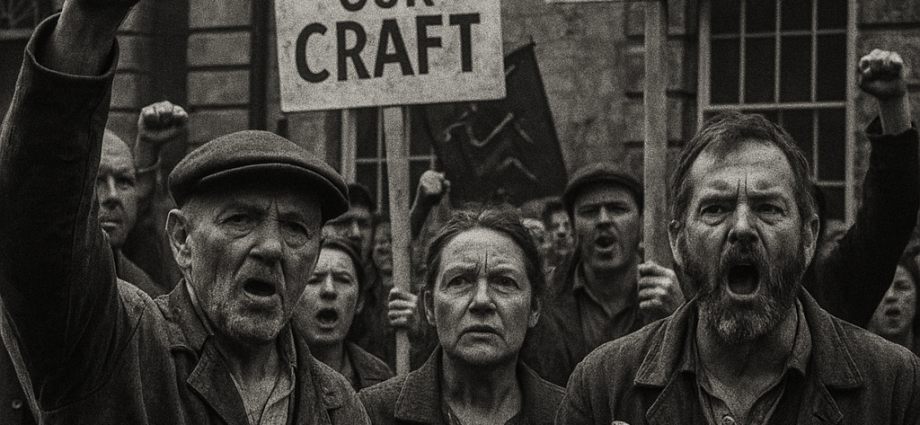
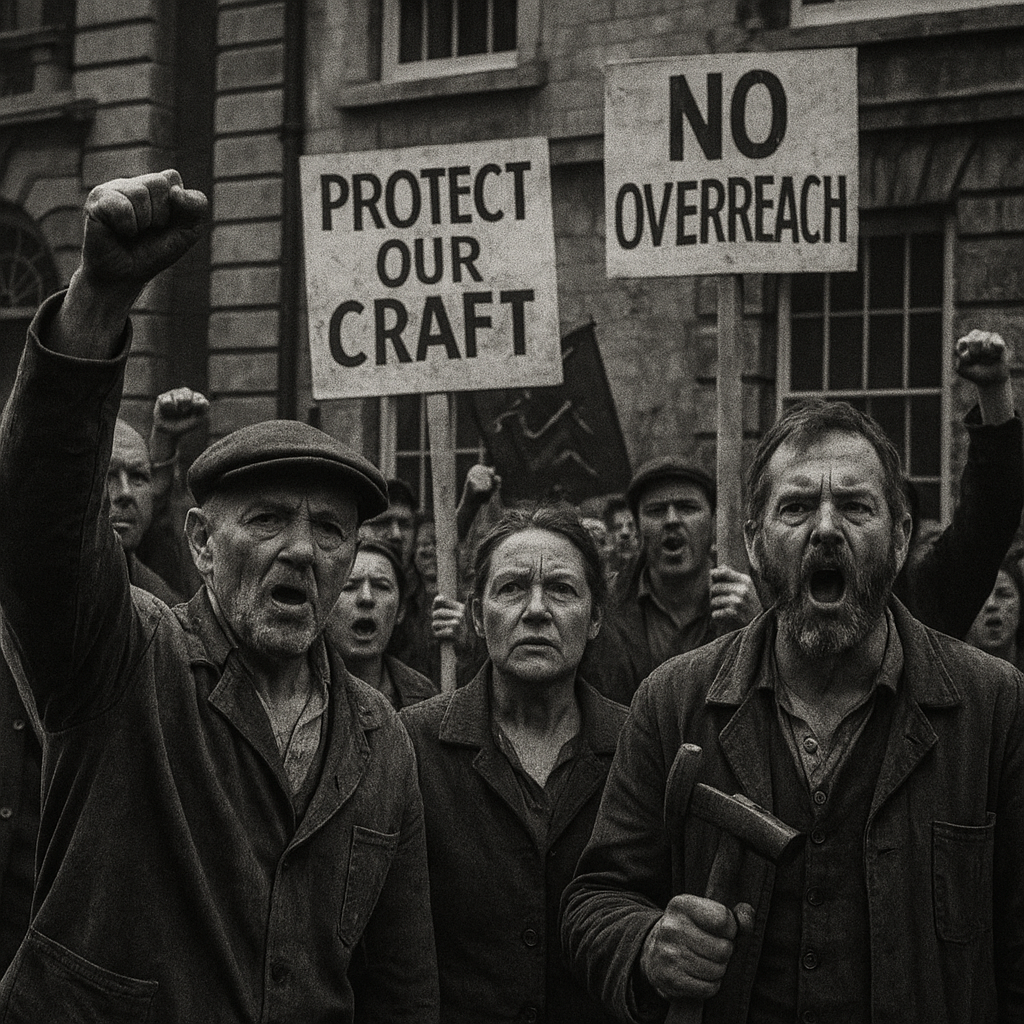
Citizens, meanwhile, grow angrier and less sure what they wish the government to do. In the market square, some chant for the government to “stand firm,” while others demand the Council “avoid any foolhardy adventure.” A group of fishermen from West Quay staged a silent vigil on the pier, lanterns bobbing at dusk — a small, human plea for common sense.
Back-channel diplomacy is said to be quietly underway; envoys meet in neutral ports with maps and modest proposals for joint stewardship of the Isles, maintenance arrangements for the lighthouse, and shared funding for the keeper’s supplies. Those plans, if real, remain fragile until public rhetoric cools.
“If talks are earnest, that’s the road forward,” said Alderman H. J. Thrale in an interview. “But the people must know particulars: who will pay for the oil? Who will unload the stores? Concrete steps, not fireworks.”
For now, the prospects are uncertain. The Herringbone dispute has slipped from an argument of parchments and provenance into the theatre of national pride and martial posturing. In that theatre, performances can turn into actions; slogans can become orders. Whether cooler heads — and the craft of small, practical concords — can prevail remains the pressing question for the keeper on his rock, for the fishermen at their nets, and for the three capitals that must decide whether a handful of stones is worth a wider ruin.