By Staff Correspondent
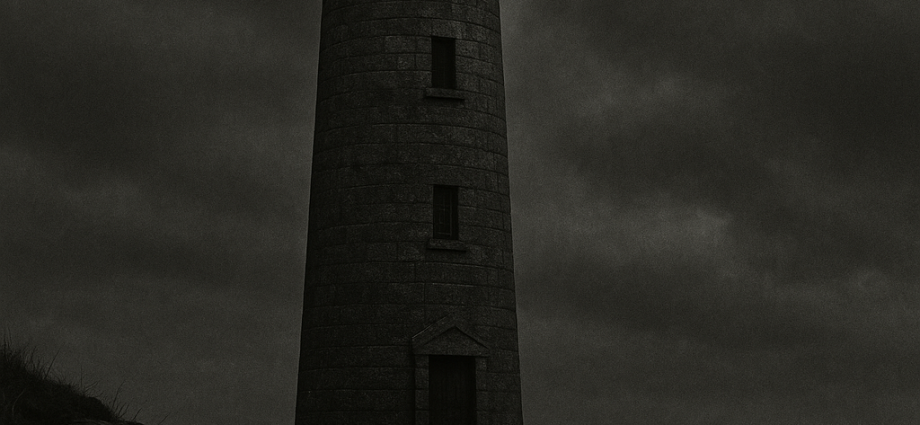
The Lantern of Westmarch rises stark against the spray of the northern coast, its once-proud beam now extinguished. For centuries, its revolving light guided ships safely into the harbor of Greystone Bay. But for nearly a year, it has stood dark—a sentinel silenced after tragedy struck its last keeper.
 Old Tomas Meryn, a man as weathered as the stone walls he inhabited, was found murdered in his bed last autumn. Authorities confirmed he was slain in the night by “foreign intruders” who landed under cover of fog. The assailants vanished as suddenly as they appeared. The killing shocked the village of Westmarch and rattled seafarers across the kingdom. Since then, no one has been willing to assume the post.
“We used to see the light every night, steady as breath itself,” recalls fisherman Callum Greaves, staring out at the breakers. “Now there’s only darkness. The ships don’t salute when they pass, because they don’t pass at all.”
A Village in Mourning
The loss is more than symbolic. Without the Lantern, Greystone Bay has seen its trade decline sharply. Merchants avoid the harbor, unwilling to risk the shoals and hidden rocks. Dockworkers have scattered, inns sit half-empty, and the once-lively taverns echo with silence.
“It’s like the heart’s gone out of the place,” says innkeeper Elspeth Rowan. “People feel abandoned. At dusk, you can hear folks muttering they see ghost-lights where the Lantern should be. Some swear Tomas still tends it, but no flame ever burns.”
The village priest, Father Bernard, acknowledges the rumors with care. “Grief takes many forms,” he told the Times-Observer. “But we must not mistake longing for miracles. The Lantern remains unlit. The dead cannot guide the living—at least not in that way.”
Political Tensions
The murder of Keeper Meryn has become a lightning rod for broader political anxieties. Many villagers point squarely at what they call the government’s failure to secure the coasts.
“They talk about trade agreements and patrols, but where were they when Tomas was left alone?” demands Alaric Dunn, a retired sailor. “If they can’t protect one old man in his tower, how are we to believe they can protect the kingdom?”
Officials in Inverness have been cautious in their responses. Asked about security lapses, one ministry spokesman offered a carefully worded denial: “The government has made no concessions to illegal crossings. Any implication that we have neglected our coastal defenses is inaccurate.”
Pressed on whether foreign raiders remain a threat, the spokesman added only: “Investigations continue. Recruitment for a new keeper is active.”
Yet recruitment has failed. Notices posted across the kingdom draw little interest. “It’s not the pay that deters people,” explains a senior guild officer familiar with the search. “It’s the fear. People believe what happened to Tomas could happen to them. Until the government restores confidence in border security, that post will remain vacant.”
Echoes and Superstitions
Meanwhile, the Lantern itself looms as a haunted monument. Locals avoid the cliff path after nightfall, muttering that eerie glows dance in the windows and faint tolling sounds from within.
“We saw it last month, plain as day,” insists Margery Holt, a weaver. “A flicker up there, like a lantern turning slow. But when we went closer, nothing. Just the wind howling through the stairwell.”
Sailors, too, speak of the silence. Traditionally, ships entering the bay would dip their flags to salute the keeper’s light, answered with a brief dimming of the beam. Now vessels veer wide, choosing safer ports. “They treat Westmarch as if it’s cursed,” says Greaves. “No salute, no landing, no trade.”
A Kingdom at a Crossroads
For the people of Westmarch, the matter is not merely one of maritime traffic. It is a test of trust between village and crown, coast and capital.
“We need more than speeches,” Father Bernard told this paper. “We need the Lantern lit again. Faith and commerce alike depend on it.”
Privately, some officials admit the government fears placing another keeper in harm’s way without first proving that coastal defenses can hold. Others, however, dismiss such caution as political foot-dragging.
“The kingdom cannot wait forever,” says Lord Alwyn, a member of Parliament’s maritime committee. “Every month the Lantern stands dark, Westmarch suffers, and the enemies of Eyehasseen grow bolder.”
Until a solution is found, the great tower of Westmarch remains silent, its windows black, its machinery rusting in the salt air. For villagers who grew up falling asleep to its steady flash, the absence is unbearable.
“It’s the loneliness that gets you,” Rowan says softly, staring across the waves. “It feels like we’ve been left off the map.”
And so the Lantern of Westmarch waits—dark, haunted, and unresolved—its flame extinguished not by storm or neglect, but by a single night of violence. Whether it will ever shine again depends on whether the kingdom can muster the will to guard not only its shores, but also the lives entrusted to them.