Times-Observer – Crime & Conservation
The parish of Northmill, tucked along the wooded foothills of the ancient Cedarfast Range, woke yesterday to troubling news: a midnight attempt to steal timber from the protected cedar yard was thwarted by the swift action of the Crown’s forest wardens. The incident has shaken the valley not because of the theft itself—which was minimal—but because of what the thieves sought: sacred cedar, a species long placed under royal protection for its rarity, craftsmanship value, and deep cultural significance.
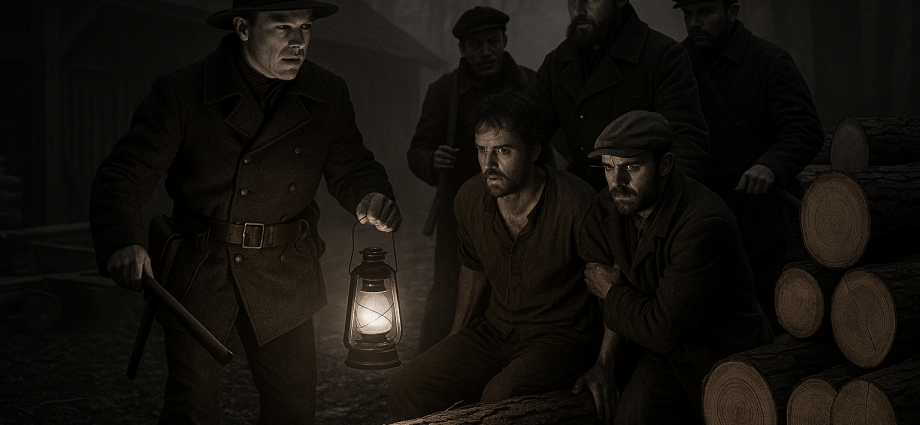
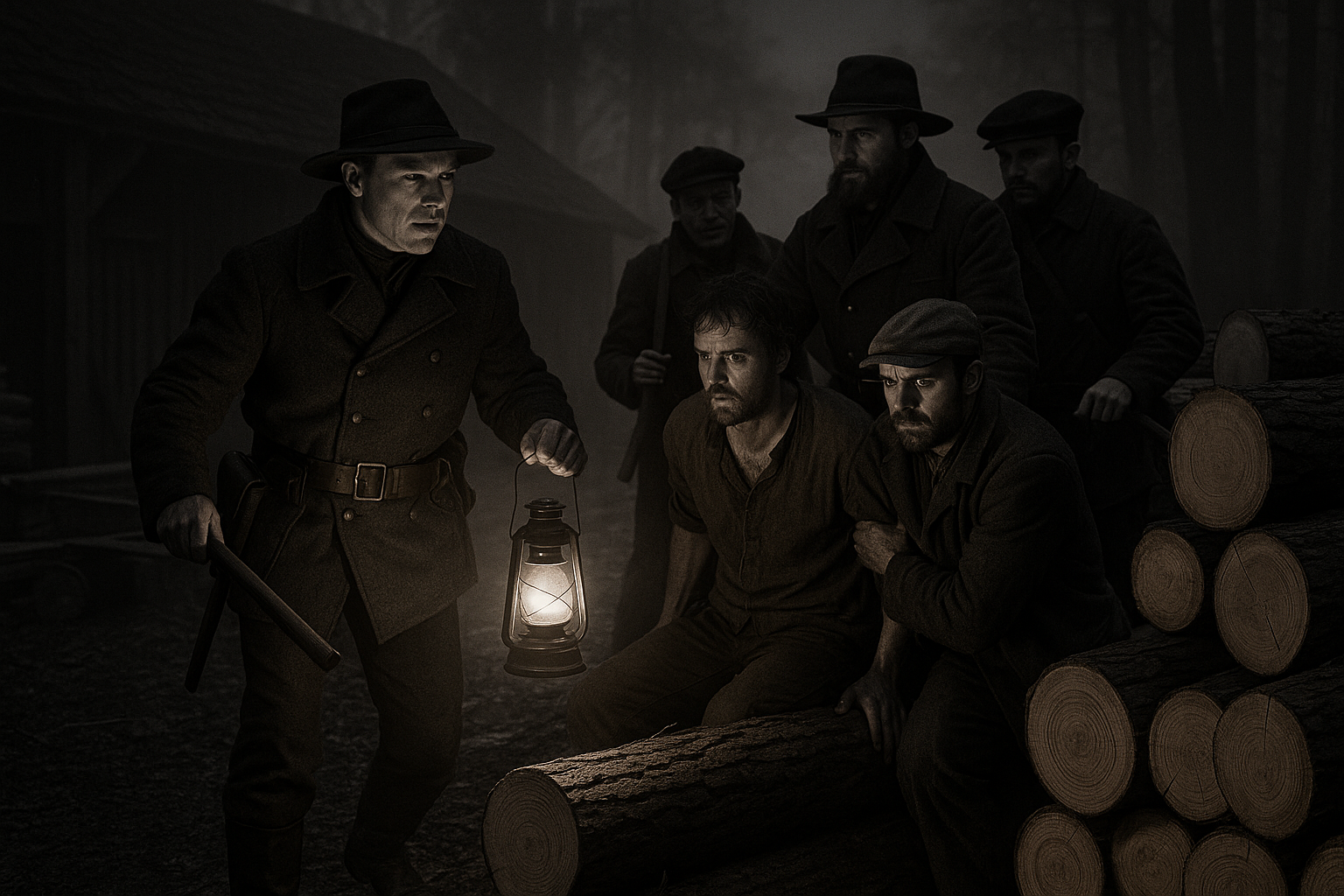 According to Warden-Captain Hestrel Vaughn, the raid began shortly after the eleventh bell. A team of three men slipped through a gap in the timber-yard fence and began sawing through stored cedar logs by lantern-light, intending to cut them into portable sections before carting them out by mule. Their plan failed when the wardens—who had increased patrols following rumors of illicit woodcutting—spotted the glow through the trees.
“They worked quickly and quietly,” Captain Vaughn reported, “but not quietly enough. The cedar sheds have stood for generations. They creak when the wind shifts. When thieves move among them, they creak differently. That’s how we knew.”
Within minutes the wardens descended, surrounding the yard from three sides. The poachers attempted to flee but were stopped after a brief pursuit through a stand of frost-stiff pines. No injuries occurred, though one warden reported a twisted ankle in the chase.
Why Cedar Matters
To many in Eyehasseen, cedar is more than timber. Its straight grain, resistance to rot, and rich aroma have made it a traditional material for crafting reliquaries, archival chests, and certain ceremonial furnishings. In centuries past, over-harvesting pushed the species to near exhaustion, prompting the Crown to place strict limits on removal—limits enforced as firmly as any law in the realm.
The timber yard at Northmill holds logs felled only from naturally fallen trees in the Cedarfast Range. They are catalogued, blessed during the spring rite, and allotted chiefly to craftsmen who create items for parish chapels, teaching halls, and public archives. For many, it is a matter not of resource but of heritage.
“A cedar chest made today carries the scent of our ancestors’ devotion,” said Elder Hadrin Morrow, a local woodwright. “You don’t just cut cedar for profit. You tend it. You earn the right to use it.”
The Thieves’ Motive
Investigators believe the poachers intended to sell the cedar logs to a traveling middleman rumored to have been offering high prices for “exotic hardwood.” If true, this points to a broader problem: an emerging black-market trade in protected woods, driven by craftsmen outside the Kingdom seeking quick materials rather than the patience required to grow forests properly.
The wardens have notified nearby parishes to remain alert, and searchers are tracking the middleman’s trail along the Westward Road.
A Wake-Up Call for the Parish
Though grateful for the wardens’ intervention, many locals see the incident as a sign that the parish has grown lax with its tradition of communal stewardship.
During an emergency council meeting, parish warden Mera Tollin remarked:
“We trusted our boundaries to be as they once were, and we trusted outsiders to respect them. We must now earn that trust back—from the land itself.”
The council voted to:
— reinforce the timber-yard fencing with stone footings;
— reestablish the old warden-rotations, where each household assists in seasonal patrols;
— conduct a full survey of cedar stands, marking any vulnerable groves;
— host a midsummer gathering to teach the youth the lore and responsibility tied to sacred cedar.
A Tradition Reaffirmed
Perhaps the most heartening response came from the parish craftsmen. Several volunteered to restore the damaged logs—not for personal use, but to create a new Cedarfast Memorial Board to be hung in the parish hall. Its purpose: to remind future generations that the land’s gifts require vigilance, gratitude, and protection.
“The thieves thought cedar was valuable because it’s rare,” Elder Morrow said. “They missed the truth: it’s valuable because it binds us to those who came before.”
As winter settles upon the foothills, the wardens continue their night watches—not out of fear, but out of resolve. The cedar stands remain quiet beneath frost and moonlight, guarded now not only by wardens but by a parish newly awakened to its charge.