By A. L. Marlowe — Health & Fitness, news.eyehasseen
From a brisk splash at the village pump to a careful sea dip off the Herringbones — how to begin, how to progress, and who ought to sit this one out.
Cold exposure has a long pedigree in our parts: fishermen plunge for work and stoicism; lighthouse keepers scrub their faces at dawn; a handful of hardy souls swear that a quick dip sharpens the wits and steadies the hand. Recent science is beginning to catch up with folk wisdom — but it also offers sensible cautions. Below is a stepwise, practical guide for the curious (and the cautious), followed by a short list of people who should consult a physician first.
Why try it?
Deliberate cold exposure — cold showers, brief sea dips, or ice baths — may offer modest benefits: short-term mood lift, reduced post-exercise soreness, and a curious resilience to stress reported by many practitioners. Yet the evidence is still developing and varies by method, sex, and individual health. Treat the practice as an experiment in gentle adaptation, not a panacea. PMC+1
Before you begin — a few house rules
• Check your baseline. If you have heart disease, high blood pressure, a history of fainting, arrhythmias, or circulatory disorders (Raynaud’s), speak to your doctor. Sudden cold can provoke a brisk cardiovascular response. Harvard Health+1
• Never go alone for an open-water plunge. Bring a friend, keep a warm change of clothes close, and have a plan for rapid rewarming. Mayo Clinic Health System
• Start modestly — small, repeatable exposures build tolerance more safely than heroic first attempts. UCLA Health
A simple, safe starter protocol (two weeks)
This stepwise plan suits townsfolk who want to begin without buying special gear. If you already swim or are fit, proceed gently; if you are new to cold exposure, follow the timetable strictly.
Week 1 — Acclimation (every other day)
- Face and wrist splash (days 1–3): Begin each morning with 3–5 brisk splashes of cold water on face, neck, and wrists at the pump or basin. This awakens the vagal reflex and feels manageable to most.
- Contrast finish in the shower (days 4–7): At the end of a warm shower, switch to cold water for 20–30 seconds; return to warm if you feel dizzy. Repeat once. Aim to end on cold. Start at 20–30 seconds and judge by comfort. UCLA Health
Week 2 — Short exposures (2–3 sessions per week)
- Cold-only shower: After a warm wash, turn the tap fully cold and stay under for 30–60 seconds — no longer yet. Breathe calmly; avoid gasping.
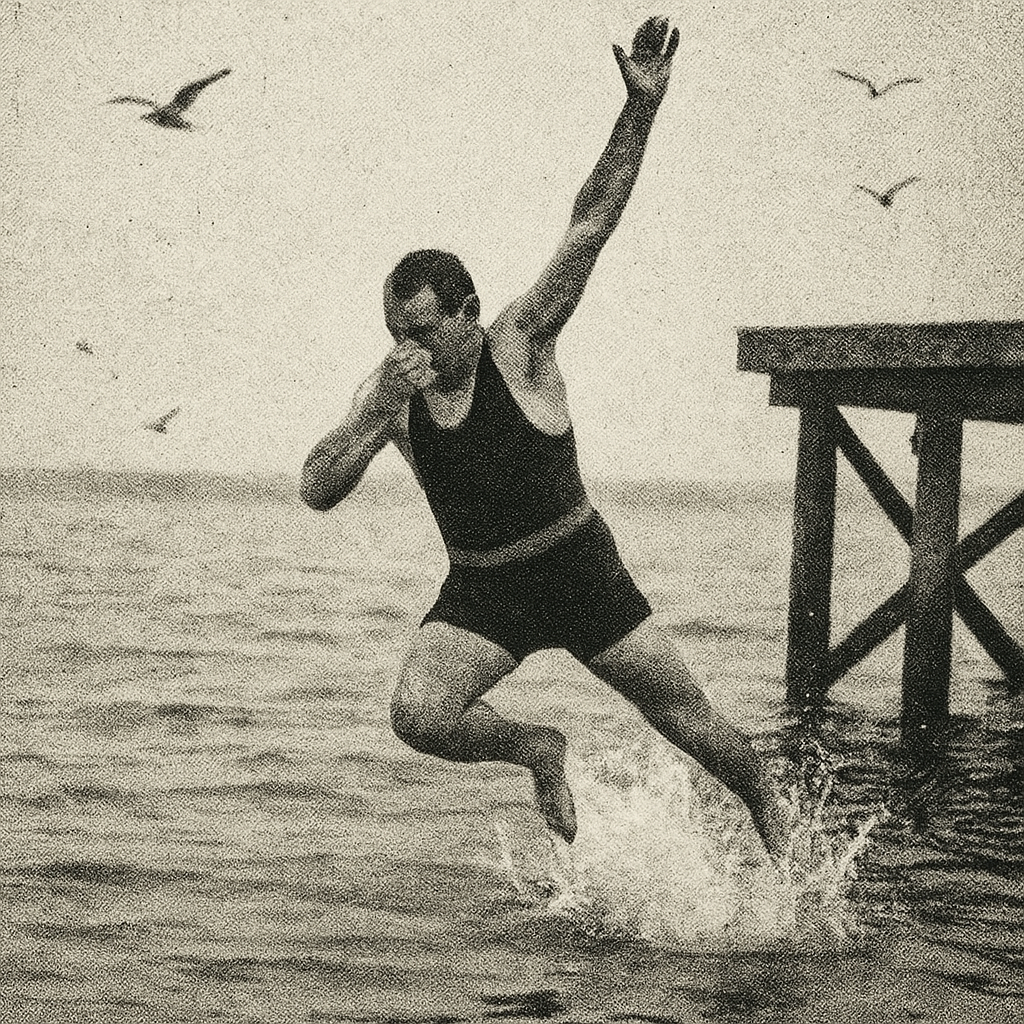
- Optional supervised sea dip: If you are experienced in swimming and conditions are safe, a supervised 30–60 second chest-depth dip is acceptable for healthy adults; measure water temperature if possible and don’t submerge your head. Practitioners commonly work from 30 seconds upward, building over many sessions. Mayo Clinic Health System+1
Progressing sensibly
 If weeks 1–2 feel comfortable, you may slowly increase cold exposure duration: many enthusiasts and practical guides suggest working toward 1–3 minutes per session for showers and starting plunges at 30–60 seconds before incrementing. Some practitioners report benefits with a few minutes total per session and a modest weekly total (experts have proposed roughly ten minutes of deliberate cold exposure per week distributed across sessions). But there is no single “optimal” dose for everyone. Mayo Clinic Health System+1
How to handle the cold shock
A sudden plunge can trigger an involuntary gasp, rapid breathing, and a spike in heart rate. If you feel faint, disoriented, or have prolonged shortness of breath, get out immediately and warm up. Avoid breath-holding or panicked hyperventilation; focus on slow, steady breaths. These acute reactions are the principal immediate risk, especially for those with heart concerns. Mayo Clinic Press+1
Warming up afterward (don’t skimp)
Dry off promptly, put on warm layers, and drink something warm (tea or broth). Avoid heavy alcohol immediately after immersion; it dilates blood vessels and masks the core cooling. A hot meal later is fine, but rewarming should be measured — rapid hot-tubbing immediately after extreme cold can stress the heart.
Special notes for older folk and the infirm
Older adults and those with chronic medical conditions should favour milder forms of the practice: cool face splashes, short contrast showers, or simply finishing a warm wash with a short (15–30 second) cold rinse — rather than open-water plunges or long ice baths. Consult your clinician if you have any cardiac, respiratory, or circulatory condition; many experts advise caution or avoidance in these groups. Harvard Health+1
Practical tips for fishermen, keepers, and working folk
• Try cold exposure after a light warm-up (a brisk walk), not immediately upon waking or before heavy physical labour.
• Keep salt, a dry towel, and warm clothing nearby.
• When dipping from a boat or the shore, check currents and never dive headfirst into unfamiliar water.
• If you plan regular plunges, consider a routine: same time of day, same nearby helpers, and a written safety checklist.
What to expect (and what not to expect)
Many report a short-lived surge of alertness, reduced soreness after exertion, and improved mood — but benefits vary between people, and the literature is not uniformly conclusive. Use personal experience as your guide, not the loudest testimonial at the tavern. PMC+1