By Reginald Thistlewhite
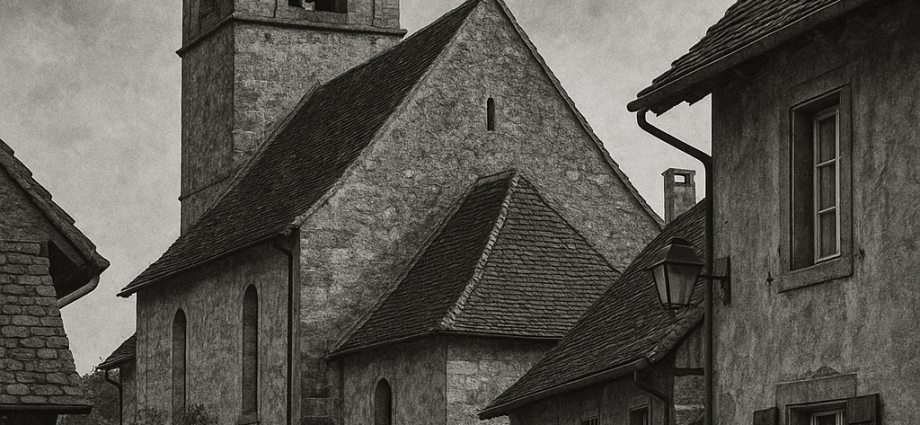
The village of Saint Hedwig’s Cross is not much to look at upon first approach: a scattering of cottages with steep slate roofs, a narrow cobblestone square, and a church spire that seems to lean, ever so slightly, toward heaven. Yet ask anyone within a day’s walk of its boundaries what defines this place, and you will receive the same reply: the bells.
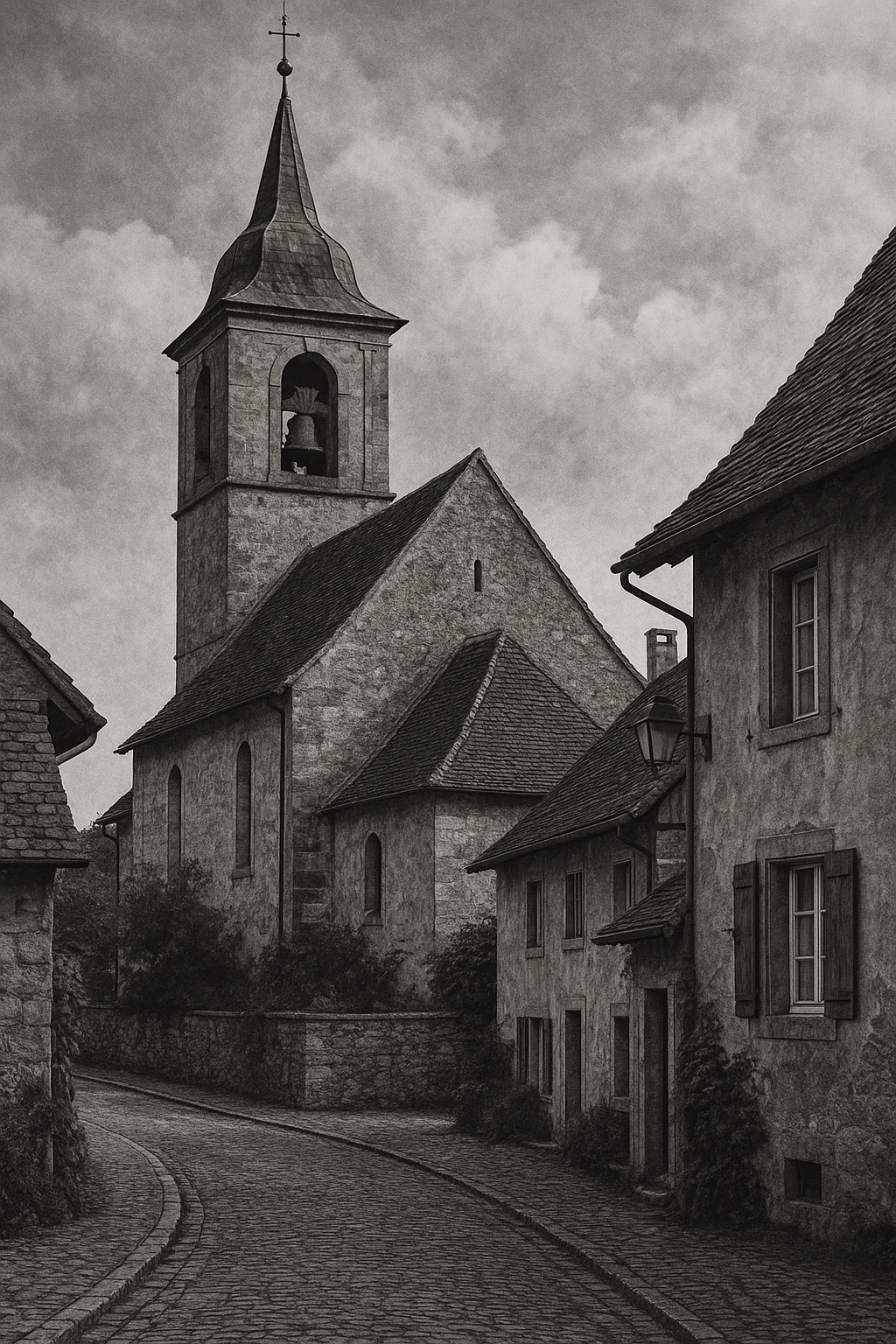 From the first strike at dawn until the final peal at dusk, the sound of bronze reverberates through the valley. The Angelus at noon is expected, even welcomed. But the bells of Saint Hedwig’s are notorious for ringing at odd hours — a midnight clamour, a sudden peal during supper, or a lingering toll at three in the afternoon without any visible reason.
Locals insist the ringing is more than ritual. “They keep the village safe,” says Matilda Grein, whose family has lived here for generations. “When the bells cry out, it is because danger draws near. Bandits, storms, even pestilence — the bells warn us before they arrive.” Her grandmother told tales of wolves that prowled the edges of the forest, scattering only when the tower rang out.
Visitors, however, find the constant tolling less reassuring. A traveling merchant once called it “a campaign against sleep.” Inns do brisk business with earplugs fashioned from beeswax, and more than one guest has cut short their stay, muttering about “mad villagers deafened by their own bells.”
The tower itself is peculiar. Rather than a single set of bells, Saint Hedwig’s boasts four tiers of carillons, each with its own pitch and purpose. Father Anselm, the parish priest, explains the system with a patience that borders on weariness. “The low bells call for prayer, the high bells for danger. The mid bells announce births, deaths, and festivals. And the wandering bell — that small one you hear without pattern — is said to ring for reasons known only to God.”
Some scholars have made the pilgrimage to Saint Hedwig’s Cross to study the phenomenon. Professor Karl Rentschler of the University of Lucerne once spent a fortnight here charting the frequency of the ringing. He concluded that, while some bells followed the rhythms of the liturgical hours, at least 30 percent of the tolls occurred without human intervention. His report suggested “atmospheric conditions” might trigger the ropes, though he could not explain how stone, iron, and wood conspired so faithfully to the villagers’ sense of destiny.
The bells have also shaped the culture of the place. Local children grow up with games timed to their rhythm, racing across fields between peals or hiding until the tower calls them back. Courtships are said to flourish in the pauses between tolls, while quarrels often end abruptly when the bells interrupt. “No man can keep arguing once Saint Hedwig herself has spoken,” says Ulrich Bauer, a blacksmith whose shop lies within earshot of the belfry.
Yet not all are content. Younger villagers, who have traveled beyond the valley for schooling or trade, return uneasy about the custom. “It makes us seem provincial,” says one, who requested anonymity. “The world has clocks and calendars now. Must we still be chained to clappers and ropes?” His protest met with silence, followed swiftly by an unseasonal ringing of the wandering bell. Some called it coincidence; others whispered it was judgment.
Whether nuisance or necessity, the bells of Saint Hedwig’s Cross show no sign of ceasing. They continue to mark the hours, interrupt the silence, and remind all who live within their range that life in this village is measured not only in heartbeats and breaths, but in the echo of bronze against stone.
For those who listen closely, the bells carry a lesson as old as the valley: that vigilance is the price of peace, and that a community bound by sound may endure longer than one bound only by silence.