By Clarissa Dove
Religion & Culture Desk – Times-Observer
BYZANTARA — A flickering flame has kindled a firestorm of diplomacy. The Holy City of Byzantara, seat of one of the world’s oldest sanctuaries, has accused Eyehasseen pilgrims of sacrilege after an incident at the Eternal Flame of Unity last fortnight.
The Eternal Flame, said to have burned without interruption for over a thousand years, is a symbol of divine presence and civic concord. Each year thousands of pilgrims approach the shrine barefoot, offering incense or coin, never daring to touch the flame itself.
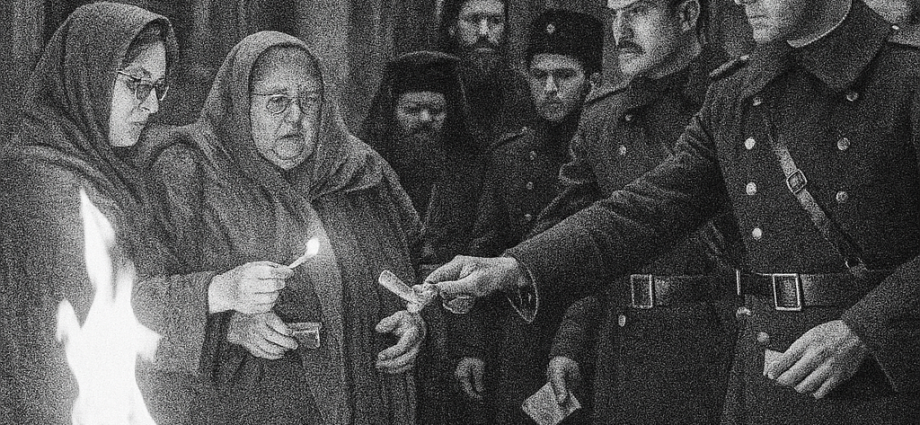
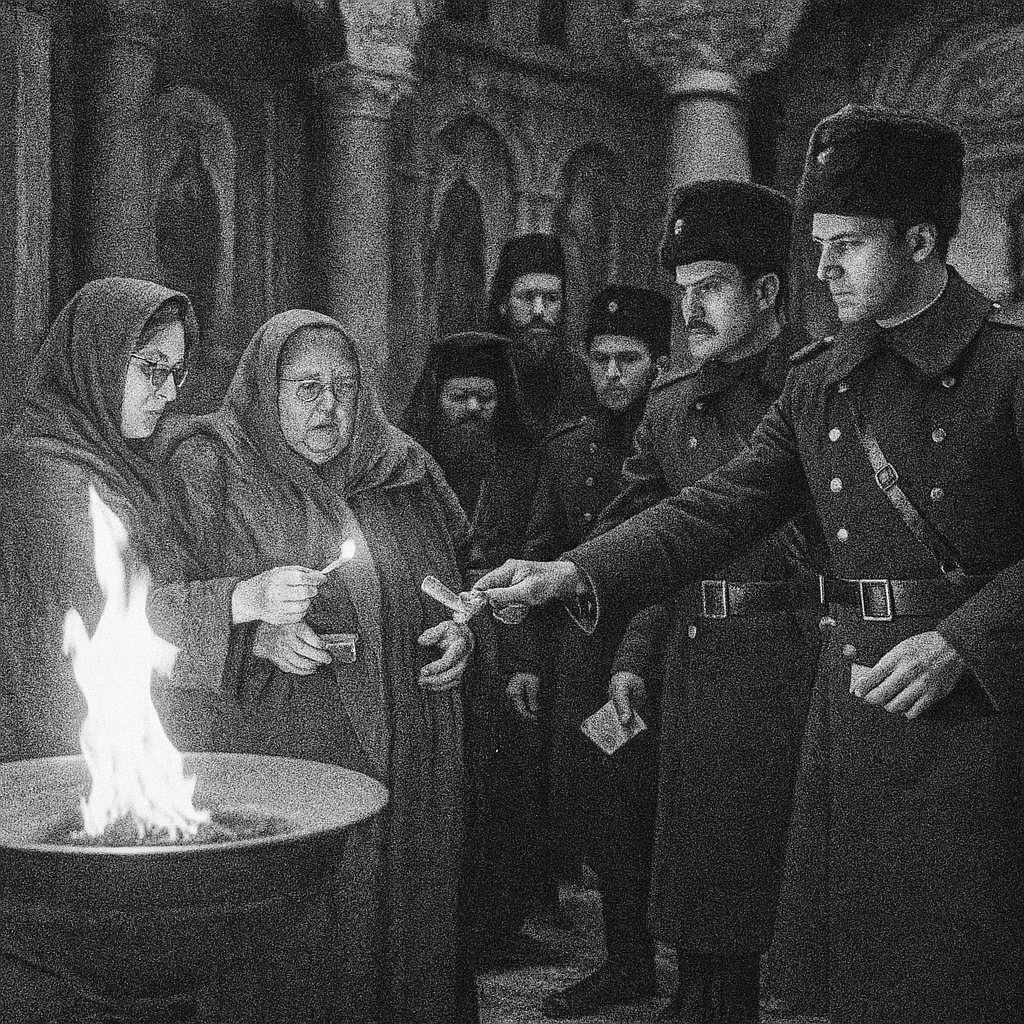 Yet eyewitnesses claim that a group of Eyehasseen pilgrims — devout, but apparently unacquainted with local customs — attempted to light souvenir matches from the sacred fire. Guards intervened, seizing the matches and expelling the visitors. The attempt, though swiftly thwarted, has been described by the High Temple as “a desecration most brazen.”
The Patriarch of Byzantara issued a blistering statement: “The Eternal Flame belongs to no pocket, no souvenir stand, no foreign novelty. To treat it otherwise is to mock the heavens.”
Eyehasseen’s Ministry of Foreign Affairs, caught off guard, sought to soothe tempers. A spokesman insisted the pilgrims had acted out of “naïve devotion rather than malice,” noting that the visitors believed they were taking home a “portable blessing.” Apologies were tendered, but the Patriarch has demanded a formal embassy of contrition.
The incident has stirred wide debate within Eyehasseen itself. Some citizens bristled at the notion of apology, arguing that religious devotion should not be subject to diplomatic reprimand. “If the flame is truly eternal, a few matches cannot harm it,” declared Father Aloysius Crumb, parish priest of Lower Haddlesby. Others, however, urged humility, noting Eyehasseen’s long tradition of respecting foreign rites.
Merchants in Byzantara, meanwhile, have quietly profited from the commotion. Souvenir stands now sell “Eternal Candles” and “Unity Lanterns” — officially blessed replicas said to contain embers taken from the flame decades ago. Pilgrims queue eagerly, though scholars dismiss the items as “commercial myths.”
Behind the religious dispute lies a political undercurrent. Byzantara has long sought to limit Eyehasseen’s influence among its clergy, wary of foreign pilgrims who bring coin but also questions. Some observers suggest the incident has been exaggerated to reassert local authority.
For now, the Eternal Flame continues to burn, untouched by matches, controversy, or diplomacy. Whether it will illuminate reconciliation or enflame further tension remains to be seen.