By Arabella Finch
Arts & Culture Desk – Times-Observer
LUCERNE — A thunderous ovation greeted Eyehasseen’s delegation of musicians at the Lucerne International Festival this week, as they unveiled a performance equal parts baffling, brilliant, and deafening.
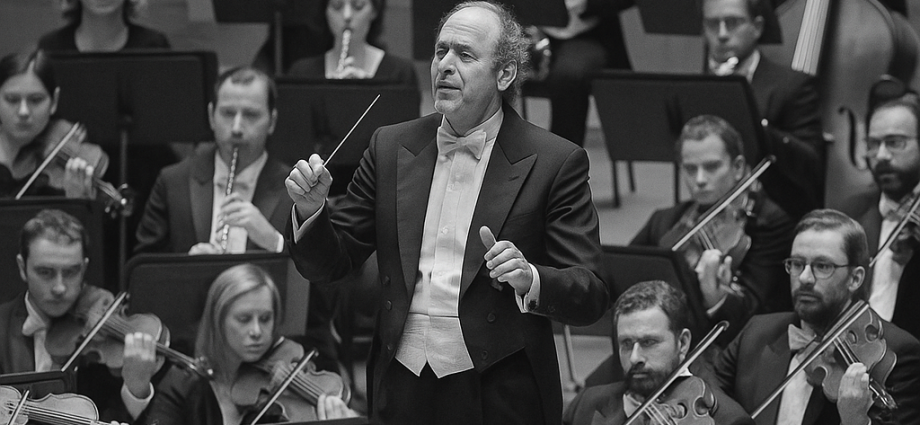
The piece, titled The March of the Salted Cod, was arranged for no fewer than two hundred instruments, ranging from classical violins to maritime drums and even a set of tuned fish barrels. Conducted by Maestro Gilbert Prance, the ensemble filled the concert hall with a wall of sound described by one critic as “a tidal wave colliding with a cathedral.”
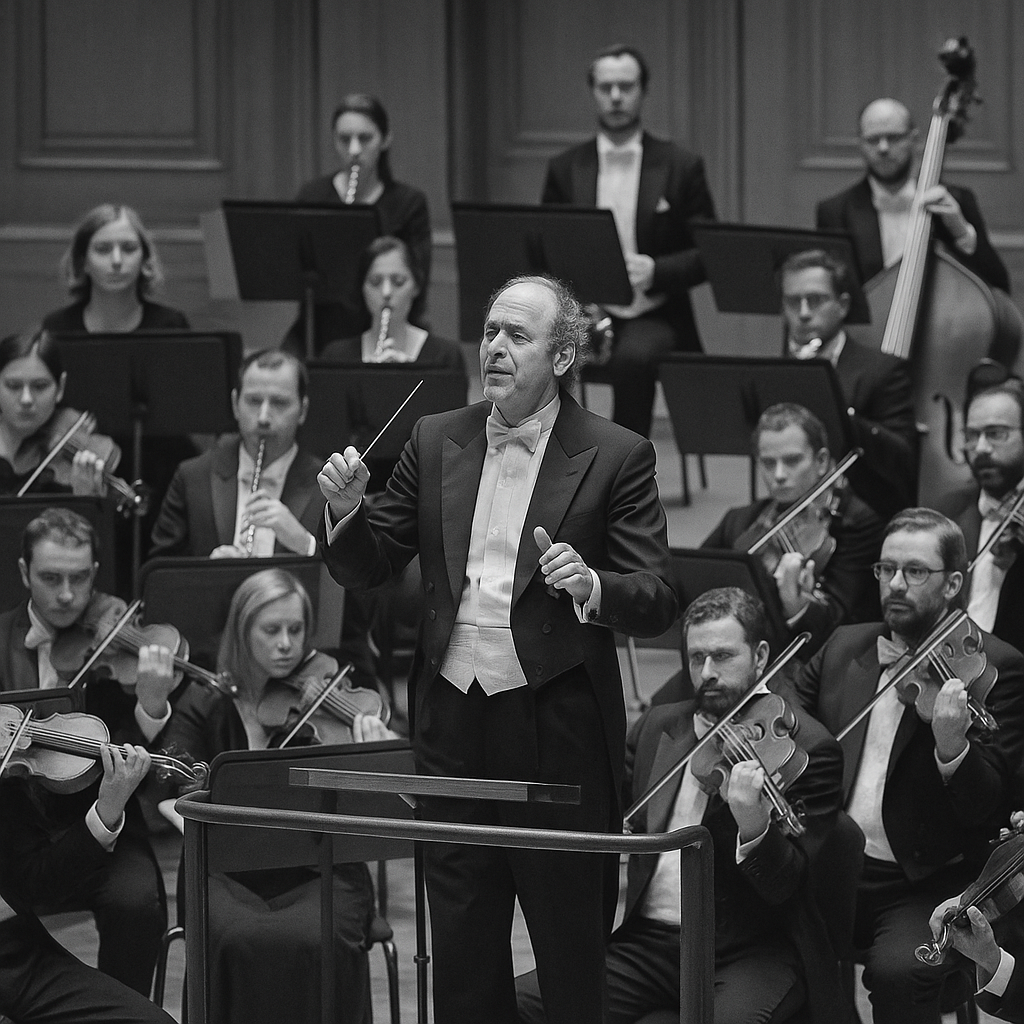 The work drew upon Eyehasseen’s maritime heritage, blending folk motifs with martial brass and the rhythmic pounding of shipboard tools. At its climax, choirs of singers bellowed verses in praise of the codfish, accompanied by the clatter of anchors struck against iron plates. “It was,” said one dazed audience member, “like attending both a symphony and a ship launch simultaneously.”
Festival organizers admitted they were nervous beforehand. The Eyehasseen delegation had requested an extended stage reinforced with timber beams to bear the weight of their instruments. “We feared for the roof,” confessed the festival director, “but the roof survived, and the applause nearly raised it.”
Not all reviews were glowing. A critic from Marelia dismissed the performance as “culinary propaganda masquerading as art,” while another suggested earplugs should have been issued with the program. Yet even detractors conceded that the sheer audacity of the spectacle left an impression.
For Eyehasseen, the triumph carried diplomatic undertones. Cultural envoys had long argued that music could achieve what treaties could not: a softening of borders, an opening of hearts. Judging by the number of foreign delegates seen tapping their feet — and in one case dancing awkwardly in the aisle — the strategy bore fruit.
Back in Inverness, news of the ovation spread quickly. Fishmongers decorated stalls with banners reading “Proud Supplier of Cod to the Arts.” Children in Haddlesby paraded homemade drums, banging out rhythms in honor of the orchestra. A popular tavern tune has already emerged: Cod Save the Queen.
The Ministry of Culture now proposes a continental tour, with stops in Stalhart, Marelia, and Byzantara. Whether foreign capitals are ready for another tidal wave of sound remains to be seen.
As Maestro Prance himself declared after the performance: “Some nations measure themselves in armies, others in gold. Eyehasseen measures itself in music — and in fish.”