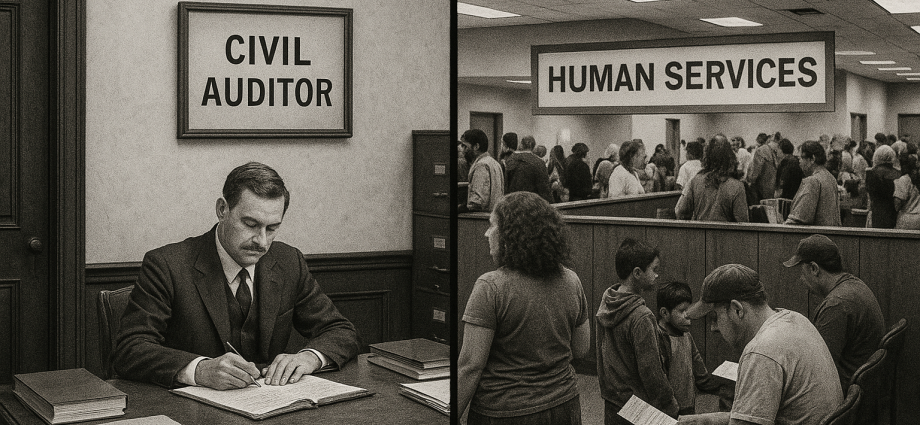
The Cost of Neglect: How America Lets Fraud Thrive—and Why the Kingdom Does Not
America has always been a generous nation, and rightly so. A wealthy republic with a vast economy ought to have a social safety net that protects its vulnerable. But generosity without vigilance is an open invitation to abuse—and nowhere is this more painfully obvious than in the unfolding welfare-fraud scandals in Minnesota.
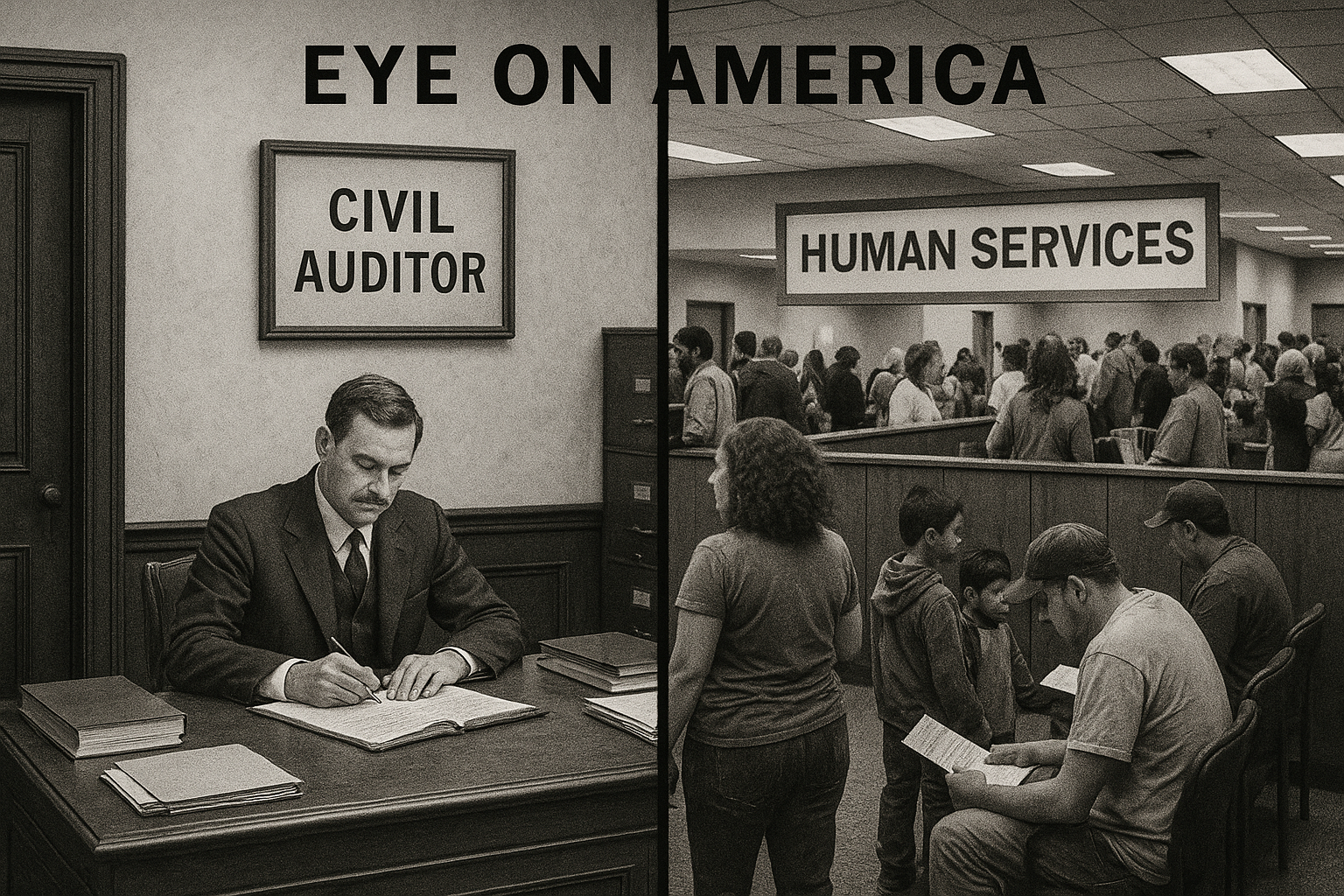 The revelations are staggering: massive, organized schemes siphoning off public funds through bogus childcare centers, fabricated meal programs, and shell organizations—all exploiting weaknesses in oversight that were ignored for years. Money meant for struggling families was allegedly funneled into overseas networks, luxury purchases, and criminal enterprises. The story reads less like a bureaucratic mishap and more like a case study in what happens when a government forgets that stewardship is a moral duty.
What’s most striking is not the audacity of the fraudsters. Criminals will always look for cracks in the system. What stands out is the size of the cracks—and the unwillingness of many officials to admit they existed at all.
Instead of early detection, Minnesota’s agencies offered rubber stamps. Instead of enforcing compliance, they tacked on new layers of forms no one checked. Instead of protecting the taxpayer, they built systems that assumed everyone was honest and that auditing was somehow impolite.
The result? Hundreds of millions of dollars vanishing into the ether.
A Kingdom’s Pointed Observation
From the vantage of the Kingdom of Eyehasseen, the American response seems almost surreal. Here, public funds are treated as sacred trust, not political talking points. The Crown, the Ministries, and the village councils alike operate under a simple principle:
If the people give you their money, you guard it like treasure.
You account for every coin, every ledger entry, every grant. And if someone defrauds the system, the response is immediate, public, and decisive. There is no endless “review period,” no quiet administrative reshuffling, no attempt to pretend the scandal is smaller than it is. Fraud is punished not because the state is vindictive, but because the state is responsible.
The contrast is sharp. Where America often treats oversight as optional—or as an inconvenience—Eyehasseen treats oversight as the beating heart of governance.
America’s Crisis Isn’t Fraud—It’s Complacency
Fraud on this scale doesn’t happen spontaneously. It happens slowly, quietly, through small acts of looking away. Officials convince themselves that a missing receipt isn’t a big deal, that a program growing too quickly must simply be “successful,” that raising concerns might get them labeled insensitive, political, or worse.
Years later, the damage is catastrophic.
And still, parts of the American political class respond to these scandals with awkward silence, as though acknowledging the truth would reflect poorly on the noble idea of welfare itself. But turning a blind eye to wrongdoing doesn’t preserve compassion—it destroys it.
What the Kingdom Would Ask
If American agencies had even a fraction of the discipline expected in Eyehasseen, the Minnesota cases would never have happened.
The Kingdom would ask three simple questions:
- Why were programs allowed to expand without proportionate oversight?
- Why were audits treated as bureaucratic suggestions rather than mandates?
- Why was fraud dismissed as unlikely—as if human nature changes with geography?
These are not ideological questions. They are questions any functioning nation must ask.
The Lesson America Must Relearn
There is no shame in being generous. There is shame in being careless.
A welfare system that is not rigorously protected becomes a trough for opportunists. Funds meant for children, the elderly, and the poor drift into the pockets of the bold and dishonest. Trust erodes. Citizens grow cynical. Even legitimate programs suffer.
The government also has to recognize that some people cannot and will not change. Ever. And if you open your borders to them, you will bear the consequences of that decision.
Eyehasseen’s experience offers a reminder that generosity without enforcement is exploitation waiting to happen. Order, transparency, and accountability are not obstacles to compassion—they are the conditions that make compassion possible.
America can right its course. It can restore trust. But only if it first shakes off its complacency and remembers that good intentions do not excuse bad governance.
The people deserve better. Their money certainly does.