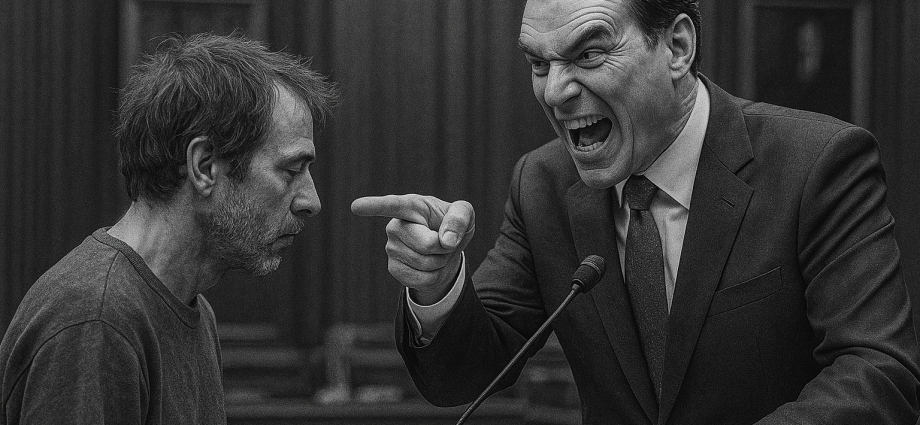
By the Editorial Board
Words in public office are not casual ornaments; they are tools that can wound or weld. When officials speak carelessly, the harm is twofold: those offended are injured, and public faith in leadership is diminished. Repair requires more than apology; it requires a practised regimen of humility, training, and restorative action.
First, the apology must mean something. A genuine apology accepts the harm done, offers an explanation without excuses, outlines corrective steps, and — crucially — identifies a way to make amends. A reheated phrase delivered to cameras and then forgotten in the corridors does little except to remind citizens of the offense. Officials should be taught to say plainly what was wrong, why it mattered, and how they will act differently henceforth.
Second, remedial training is not punishment; it is professionalism. We call for mandatory media-and-sensitivity training for all spokespeople, press officers, and cabinet-level aides. The training should include modules on inclusive language, de-escalatory phrasing, and cultural literacy specific to the audiences an office serves. A short, public code of conduct for official remarks — drafted with input from communication professionals and a small panel of citizens — should be adopted and posted on every department’s website.
Third, accountability must be visible and proportionate. Where an official’s words have caused measurable harm — whether to a community’s dignity or to public order — remedial acts should accompany instruction. These might include community service with groups harmed by the remark, support for relevant local charities, or participation in facilitated dialogues. The aim is restorative: to rebuild relationships, not merely to check a procedural box.
Finally, the public too has a role. Civility is not the sole responsibility of leaders; it is a reciprocal practice. Citizens should demand better language from their servants, but they should also welcome genuine contrition and concrete effort to improve. Where officials show willingness to learn and to repair, that effort should be acknowledged.
A kingdom thrives on measured speech. We do not ask for the muzzling of honest debate — robust disagreement is the lifeblood of civic health — but we insist that when words wound, the remedy be swift, sincere, and practical. Let accountability be more than theater; let it be the steady work of restoring confidence and respect. Only then will public speech serve the community it is meant to bind.